
On the morning of May 11, the 2nd Meeting of the First Executive Council and the 2026 General Assembly Meeting of the World Digital Education Alliance (WDEA) were held in Hangzhou during the 2026 World Digital Education Conference.
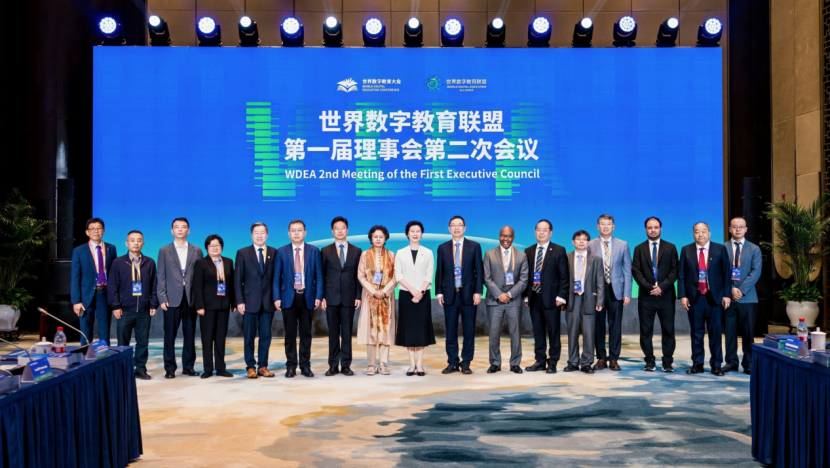
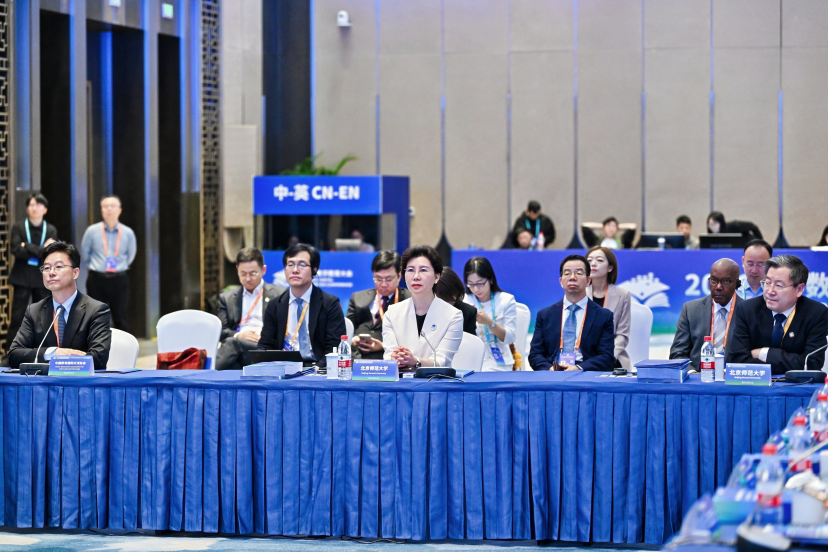
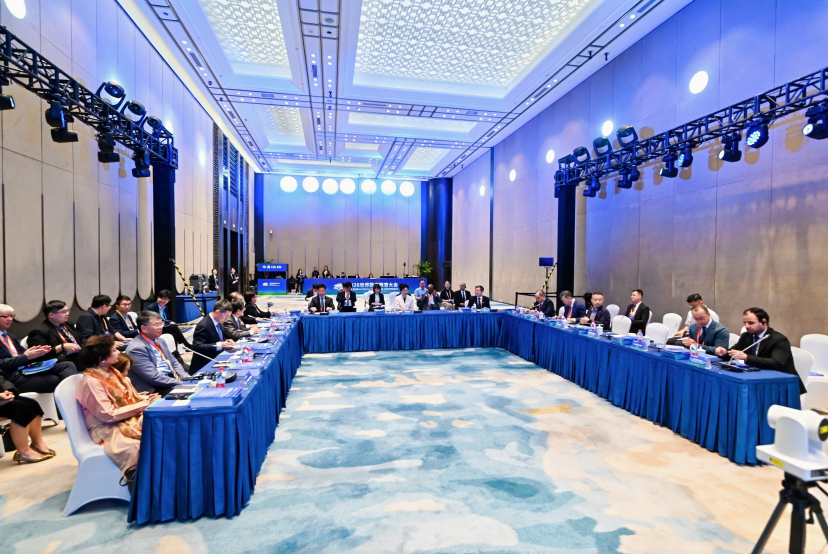
The 2nd Meeting of the First Executive Council of the WDEA was moderated by YANG Jun, Co-Secretary-General of the WDEA and Vice President and Secretary-General of the China Education Association for International Exchange (CEAIE). ZHOU Zuoyu, Vice Chairman of the University Council of Beijing Normal University; YANG Zongkai, Director of the WDEA Expert Advisory Committee; and WU Yonghe, Chair of the WDEA Standardization Committee, respectively introduced the outcomes of the Alliance’s special initiatives, including the World Digital Education Innovation Cases, the Ethics of Artificial Intelligence in Education, and the Alliance’s standardization activities. Representatives from 15 Executive Council member institutions attended the meeting and engaged in in-depth discussions on the above initiatives, as well as the Alliance’s 2025 Work Summary and Future Plan.
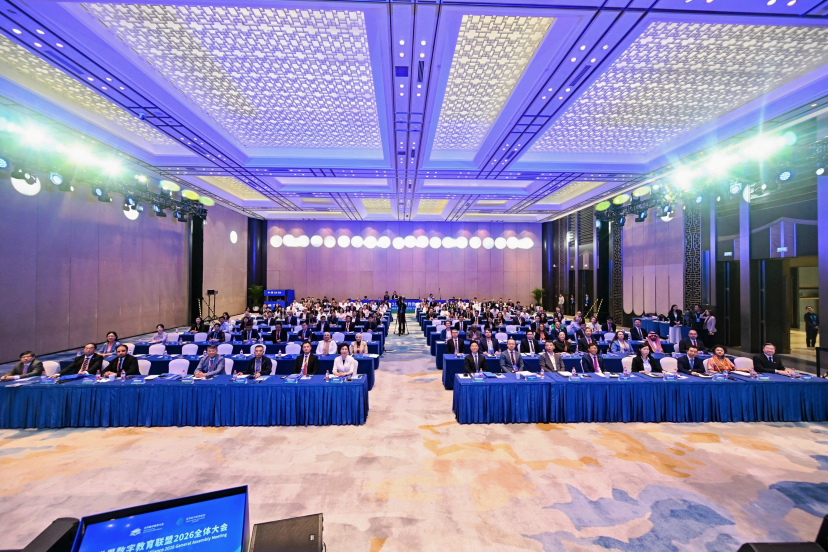
Following the Executive Council meeting, the 2026 General Assembly Meeting of the WDEA was convened, during which the Alliance’s 2025 Work Report, special reports, and future work plan were reviewed and approved. Representatives of WDEA member institutions, including Nicolas Maïnetti, Regional Director for Asia-Pacific of the Agence Universitaire de la Francophonie (AUF); Abdulrahman Ibrahmin Al Medaires, Director General of UNESCO Regional Center for Quality and Excellence in Education (RCQE); and Natalia Amelina, Senior Officer of National Projects at the UNESCO Institute for Information Technologies in Education (IITE), NIE Xiaolin, Co-founder, Director and Senior Vice-President of iFLYTEK; YAO Xin, Vice-President(Research and Innovation) of Lingnan University; Sophia Li & Ashley Mok, Senior Regional Director (Greater China) & Director of Consultancy, Times Higher Education; Aleksandr Grinshkun, Head of the Department of Educational Informatization at the Institute of Digital Education of Moscow City University; Mona Abdel-Aal Elzahry, Vice Dean for Education and Students’ Affairs at the Faculty of Medicine of the University of East Capital shared best practices and experiences in digital education. They also offered constructive suggestions on enhancing the Alliance’s global influence, strengthening professional standardization, and organizing thematic activities on digital education. YU Jihong, Chairperson of the WDEA and President of Beijing Normal University, delivered the closing address, expressing the hope that all Alliance members would fully play their roles as contributors, builders, and pioneers in advancing educational digital transformation, promoting educational equity, improving educational quality, and fostering mutual learning among civilizations.
During the meeting, several important achievements approved by the Assembly, including Best Practices in Artificial Intelligence in Education (AIED): Scenarios-Driven Educational Transformation, Ethics of Artificial Intelligence in Education: A Reference Framework (2026), and the WDEA Standard Documents — Artificial Intelligence Application System in Education and Fundamental Elements of an AI-Empowered Smart Campus — will be officially released during the 2026 World Digital Education Conference. These outcomes systematically demonstrate the Alliance’s practical achievements, share cutting-edge developments and the latest research findings, and further enhance the Alliance’s international influence in the field of global digital education.
The World Digital Education Alliance was officially established in January 2024 and has received enthusiastic responses from the international community. To date, the Alliance has attracted 144 member institutions from more than 40 countries and regions, including international organizations, universities, research institutions, and enterprises. Moving forward, the Alliance will continue to deepen resource integration, expand international communication channels, optimize organizational development, promote sustainable and stable growth, and foster a collaborative development ecosystem. With a more open attitude, more pragmatic measures, and stronger actions, the Alliance will contribute educational wisdom and strength to building a global community with a shared future for mankind.
Copyright © 2025 All Rights Reserved by WDEA