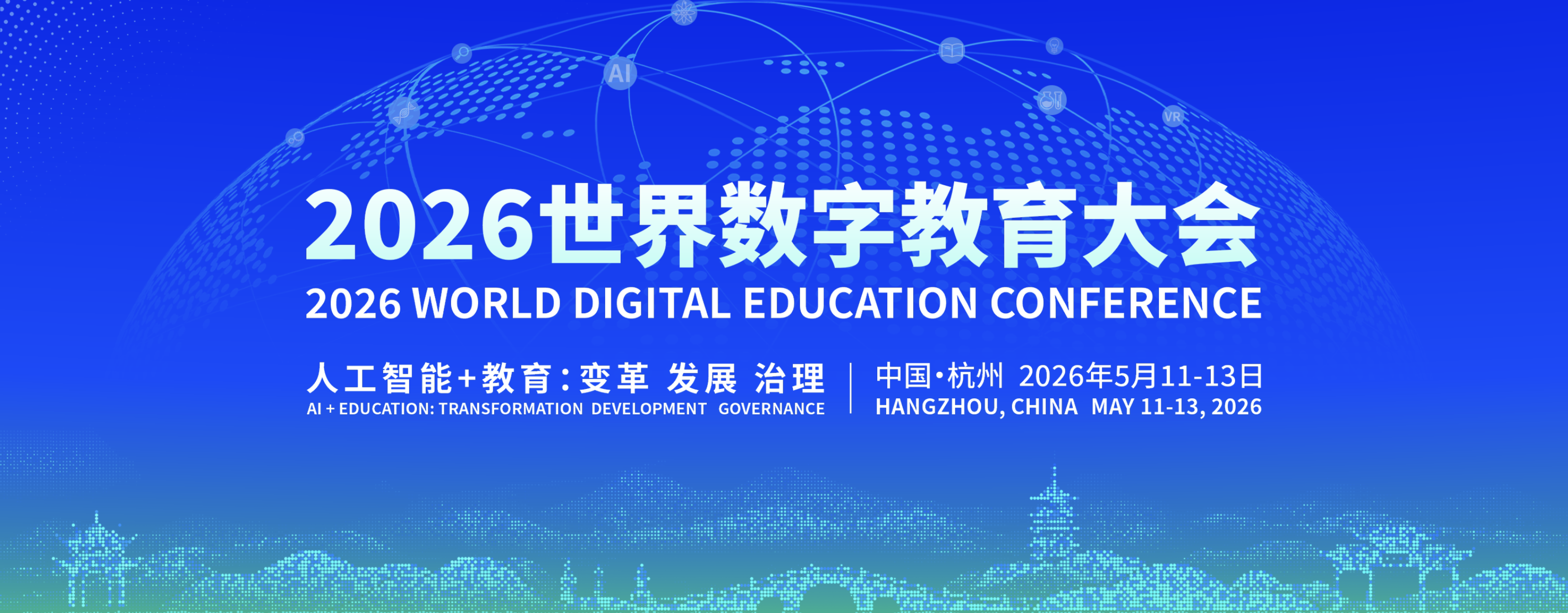
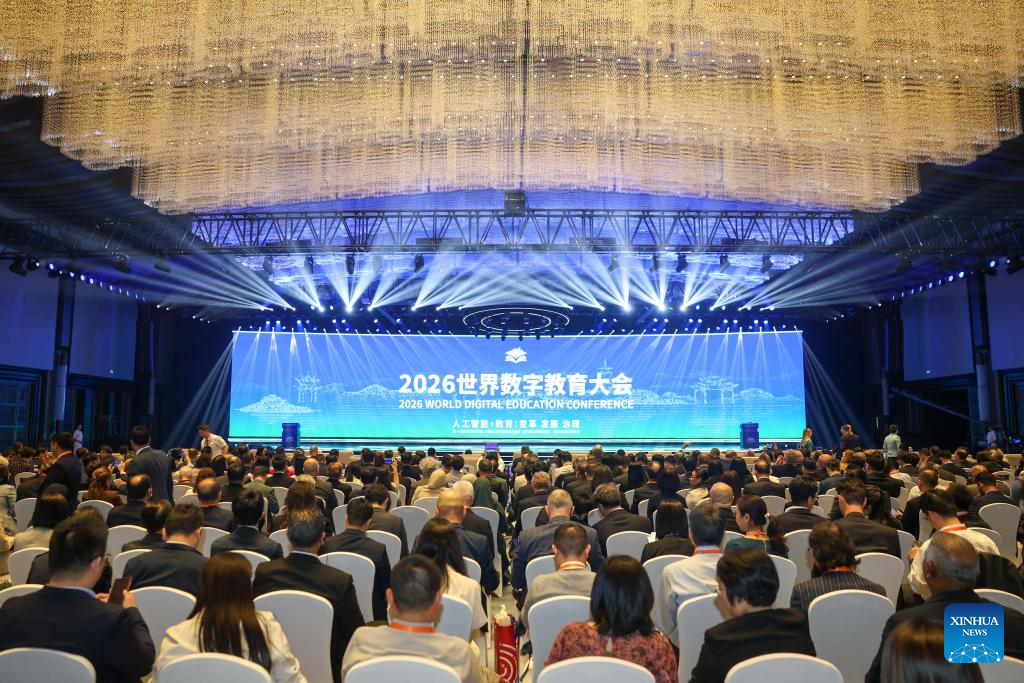
The 2026 World Digital Education Conference kicked off here on Monday. Themed on "AI+Education: Transformation Development Governance," this year's conference seeks to explore how AI can drive systemic educational transformation and promote high-quality educational development. An exhibition on achievements of global digital education is held during the conference.

On the morning of May 11, the 2nd Meeting of the First Executive Council and the 2026 General Assembly Meeting of the World Digital Education Alliance (WDEA) were held in Hangzhou during the 2026 World Digital Education Conference.
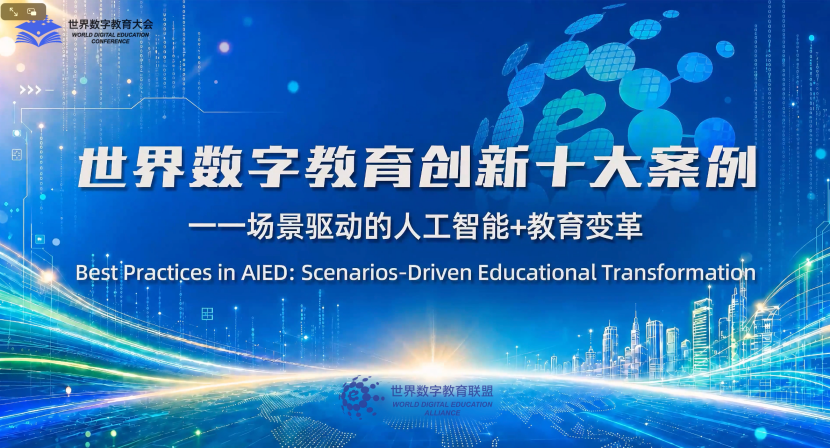
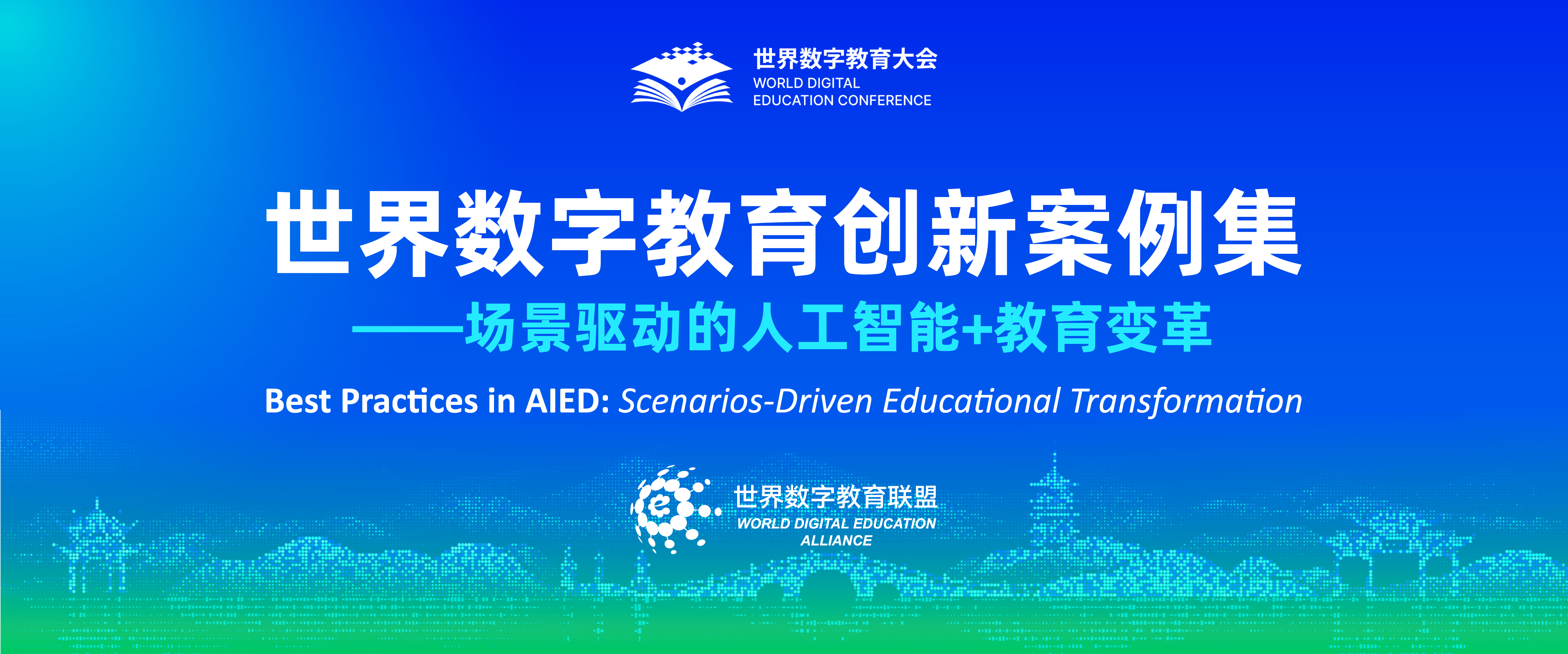
The cases were selected from more than 500 submissions received through a global call launched by the Alliance. The selection focused on real-world application, measurable outcomes, ethical responsibility and sustainability. The selected cases cover a wide range of areas, including personalized learning, smart campuses, intelligent assessment, teacher development, education equity, international Chinese language education, AI ethics and research innovation.
Digital Education Bulletin is a monthly publication of the World Digital Education Alliance, released to a global audience, focusing on the latest policy research, practical case studies, and cutting-edge developments in the field of digital education worldwide.
Digital Education Bulletin is a monthly publication of the World Digital Education Alliance, released to a global audience, focusing on the latest policy research, practical case studies, and cutting-edge developments in the field of digital education worldwide.
Digital Education Bulletin is a monthly publication of the World Digital Education Alliance, released to a global audience, focusing on the latest policy research, practical case studies, and cutting-edge developments in the field of digital education worldwide.
As countries around the world hold the universal consensus on education digitalization to provide everyone with inclusive and equal access to high-quality education, and in the face of educational development and reforms, China is ready to join hands with other countries in promoting mutual exchange between different civilizations, sharing high-quality education resources, constructing a cooperative innovation ecosystem, and guarding the security of AI, for the achievement of lifelong, equal, personalized, open, and flexible education.
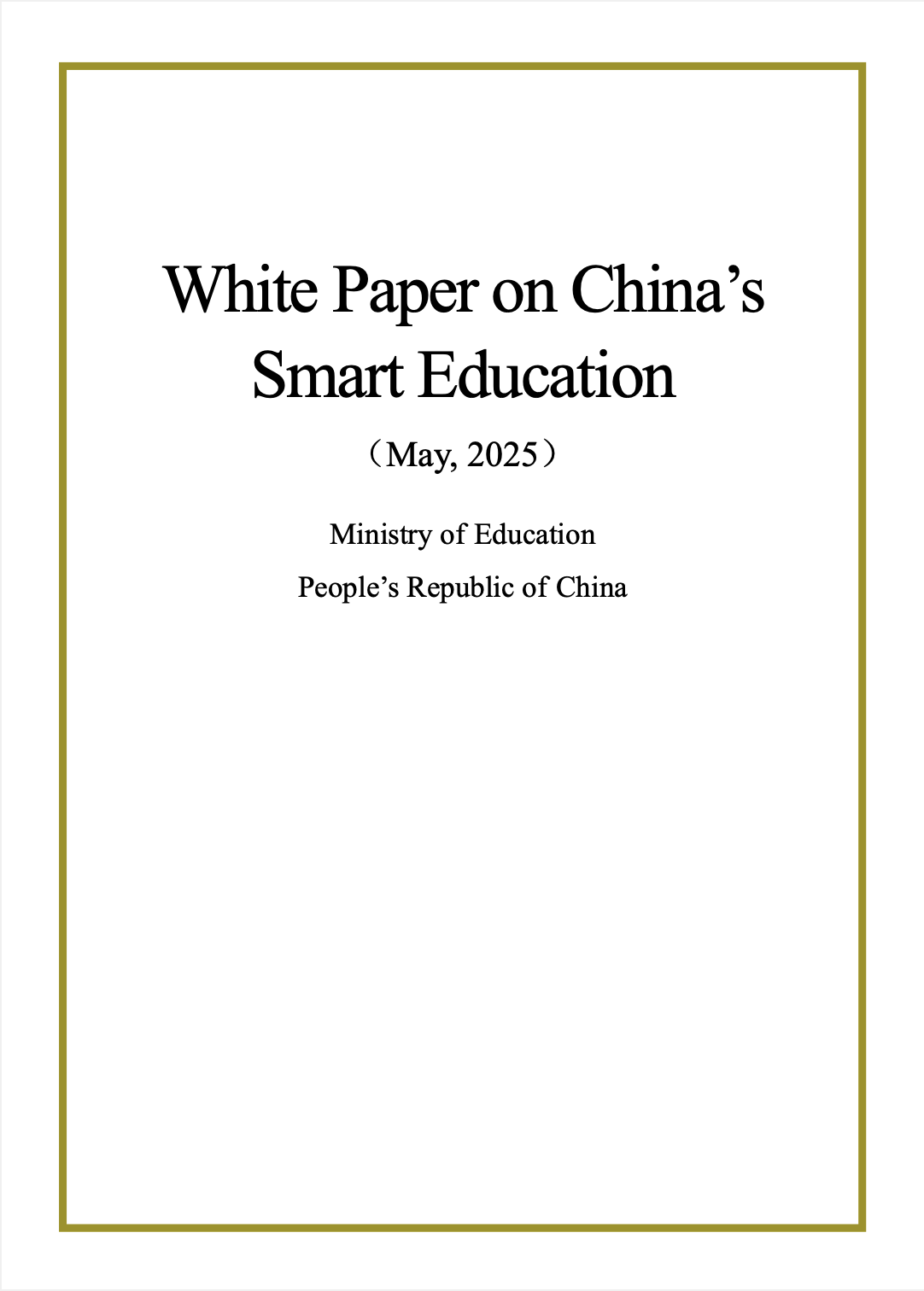
This white paper is thereby published to make a comprehensive introduction to China’s philosophies, ideas, measures, and achievements in education digitalization and smart education, in the pursuit of deepening international exchanges and cooperation in the field of digital education to jointly draw a new blueprint for the development of global smart education.
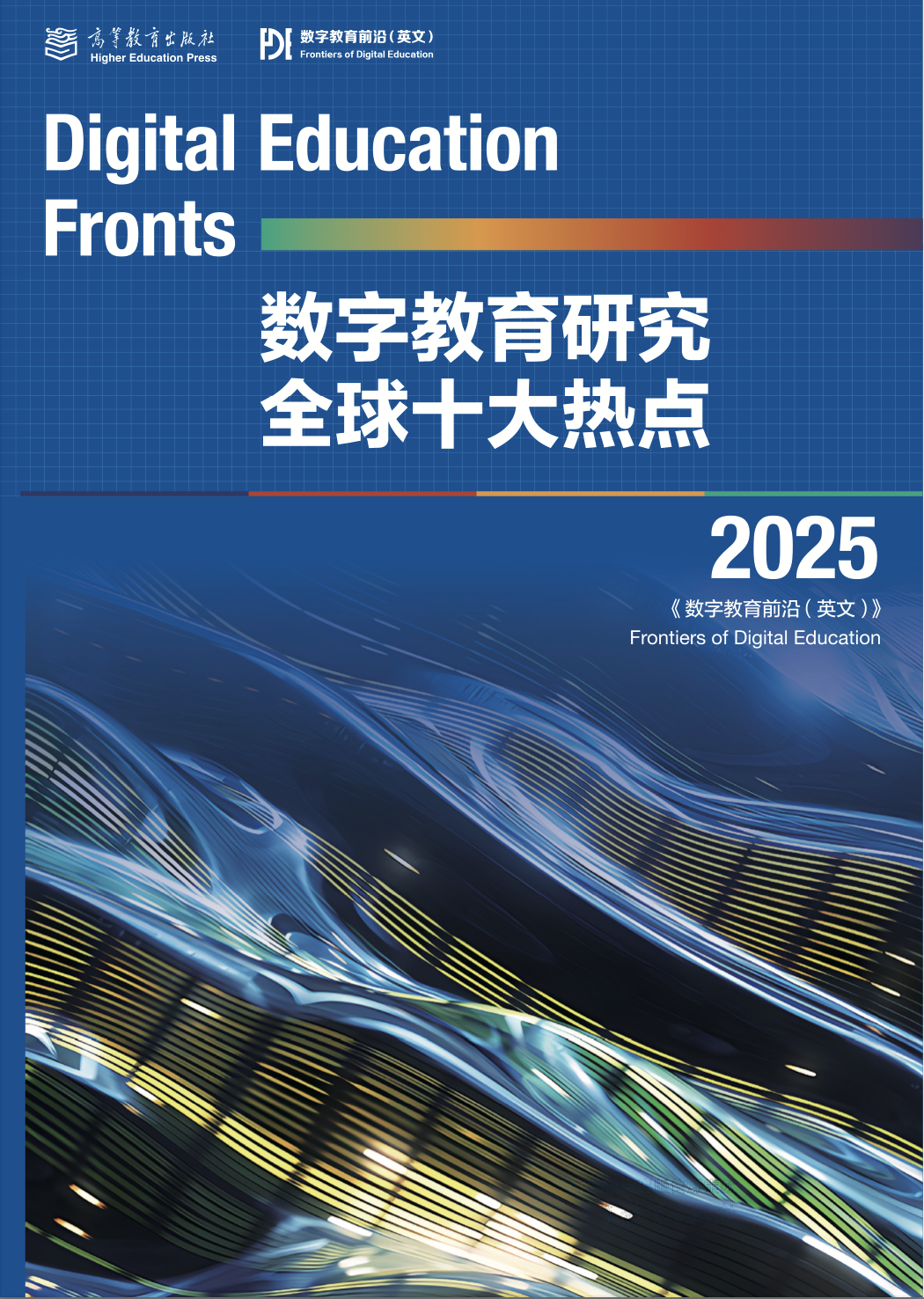
Frontiers of Digital Education is an English academic journal supervised by the Ministry of Education of the People’s Republic of China, sponsored by Higher Education Press, and internationally distributed by Springer Nature. The journal is aiming to reflect the dynamic trends in digital education policies, academic frontiers, and research hotspots from various countries. The journal explores key issues and challenges in digital education and technological innovation, establishing a distinctive platform for the dissemination and communication of significant achievements in digital education. The dedication of this journal lies in contributing to the advancement of digital education.
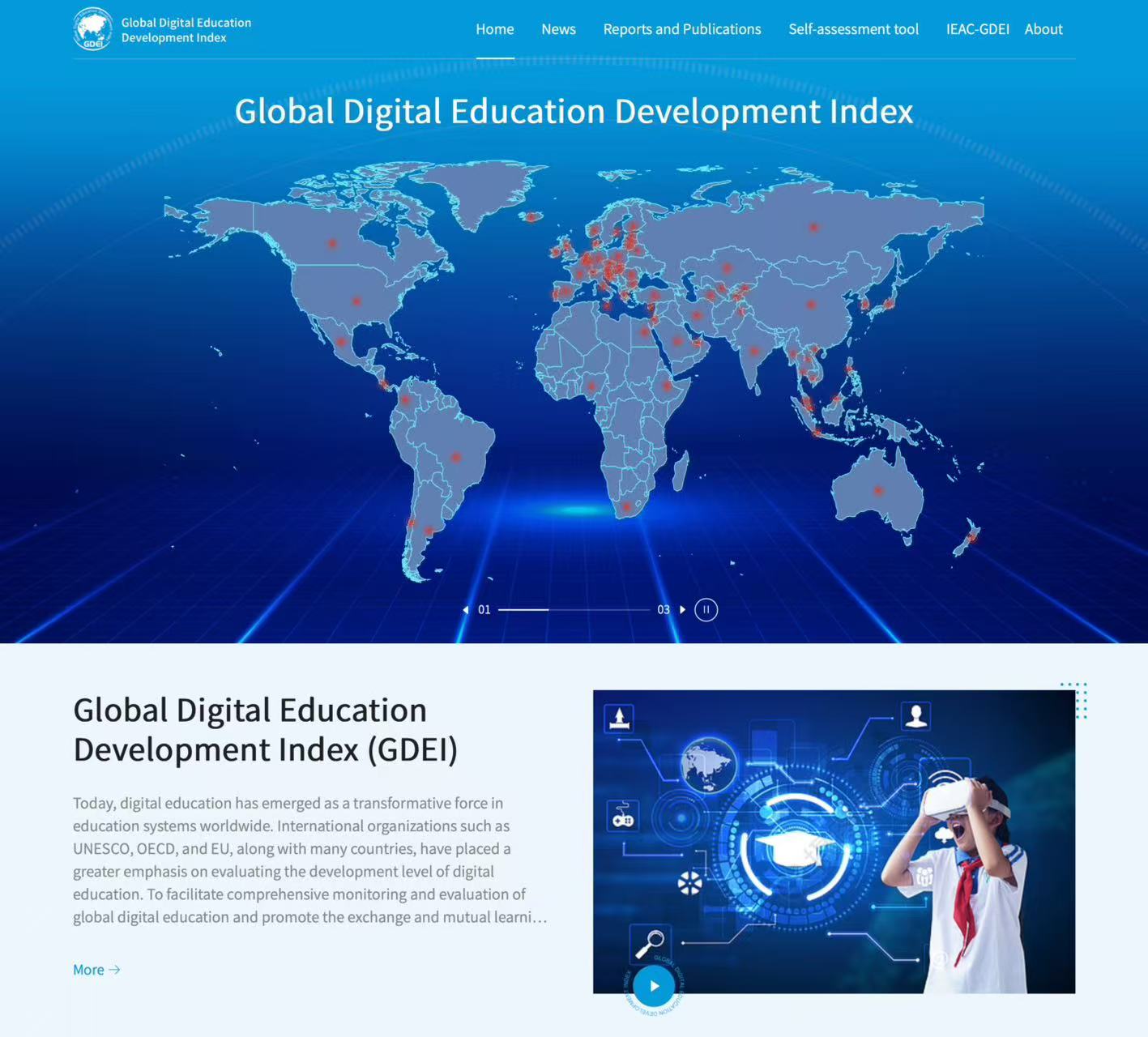
Today, digital education has emerged as a transformative force in education systems worldwide. International organizations such as UNESCO, OECD, and EU, along with many countries, have placed a greater emphasis on evaluating the development level of digital education. To facilitate comprehensive monitoring and evaluation of global digital education, and promote the exchange and mutual learning among countries, the China National Academy of Educational Sciences assembled a dedicated research team to develop the Global Digital Education Development Index (GDEI) adopting an evidence-based evaluation paradigm. After rigorous analysis of evidence from over 200 countries, the research team selected 62 countries at the forefront of digital education to establish a global evidence base and calculate the index. The GDEI was officially released at the 2024 World Conference on Digital Education held in Shanghai, China on January 31, garnering widespread attention from society.

The cases were selected from more than 500 submissions received through a global call launched by the Alliance. The selection focused on real-world application, measurable outcomes, ethical responsibility and sustainability. The selected cases cover a wide range of areas, including personalized learning, smart campuses, intelligent assessment, teacher development, education equity, international Chinese language education, AI ethics and research innovation.

As a new round of scientific and technological revolution and industrial revolution accelerates,digital technology has increasingly become a driving force that fundamentally changes andreshapes the thinking patterns, organizational structures, and operational modes of humansocietyin all fronts.
Copyright © 2025 All Rights Reserved by WDEA