
Workshop on Educational Planning and Governance in the Intelligent Era: A Southeast Asia Perspective
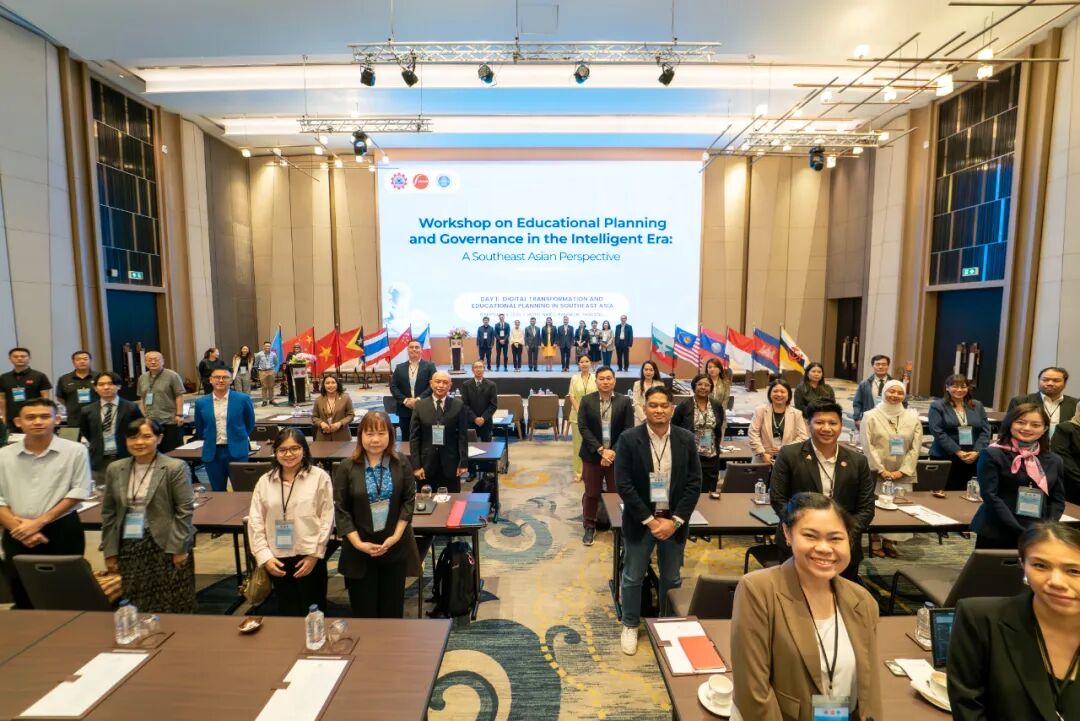
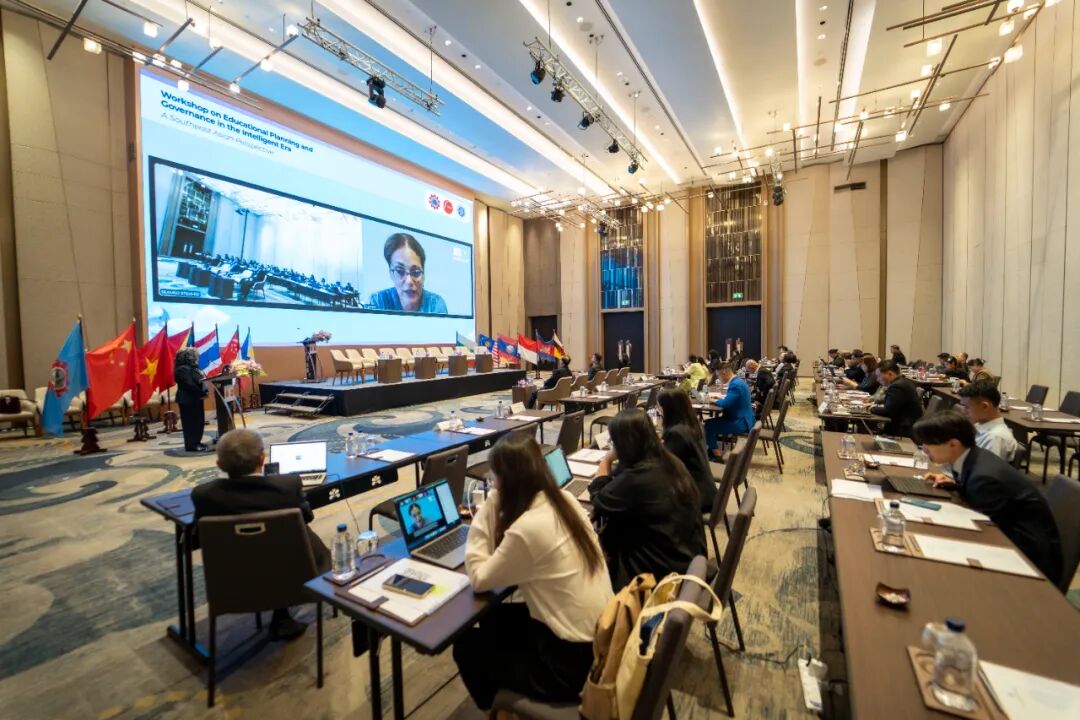
The year 2025 marks the conclusion of China’s 14th Five-Year Plan and is a pivotal year for laying the groundwork for the 15th Five-Year Plan. As China’s “First Year of Smart Education,” this year signifies a new stage of comprehensive deepening in educational digitalization, and also provides an unprecedented strategic opportunity for the global education sector to accelerate the integration of next-generation information technologies such as Artificial Intelligence (AI). During this critical period, the “Workshop on Educational Planning and Governance in the Intelligent Era: A Southeast Asia Perspective” was successfully held from September 8 to 12, 2025, in Bangkok, Thailand. The seminar was jointly organized by Beijing Normal University, the Southeast Asian Ministers of Education Organization (SEAMEO) STEM Education Centre (SEAMEO STEM-ED), the UNESCO Regional Office in Bangkok, the UNESCO International Research and Training Centre for Rural Education (UNESCO INRULED), and the UNESCO Chair on Artificial Intelligence in Education. This workshop was the second session of the Smart Education Series and the first regional session held overseas following the inaugural session in Beijing, China, in January. It attracted 25 officials and representatives from the ministries of education of 11 countries – Brunei, Cambodia, Indonesia, Laos, Malaysia, Myanmar, the Philippines, Singapore, Thailand, Timor-Leste, and Vietnam – as well as from the SEAMEO Secretariat and its Regional Centres.
The five-day workshop focused on educational planning and governance driven by AI, covering key topics such as digital transformation in Southeast Asian education planning, the development and reform of Chinese education in the intelligent era, the application of AI in educational planning and management, AI ethics, governance and policy frameworks, and the futures of education. Through diverse formats including expert keynotes, regional dialogues, case studies, sharing insights, AI digital human practices, group proposals, and expert reviews, the program delved deeply into the scientific formulation and implementation pathways of education policies.
The opening ceremony was attended by 65 guests, including education leaders, policymakers, researchers, AI experts, as well as representatives from enterprises and media, from institutions such as the Ministry of Education Thailand, the UNESCO Regional Office in Bangkok, the UNESCO International Research and Training Centre for Rural Education (UNESCO INRULED), the Institute for the Promotion of Teaching Science and Technology (IPST) ,the Thailand National Science Museum (NSM), the National Electronics and Computer Technology Center (NECTEC), and the Embassies of Australia and Spain in Thailand.
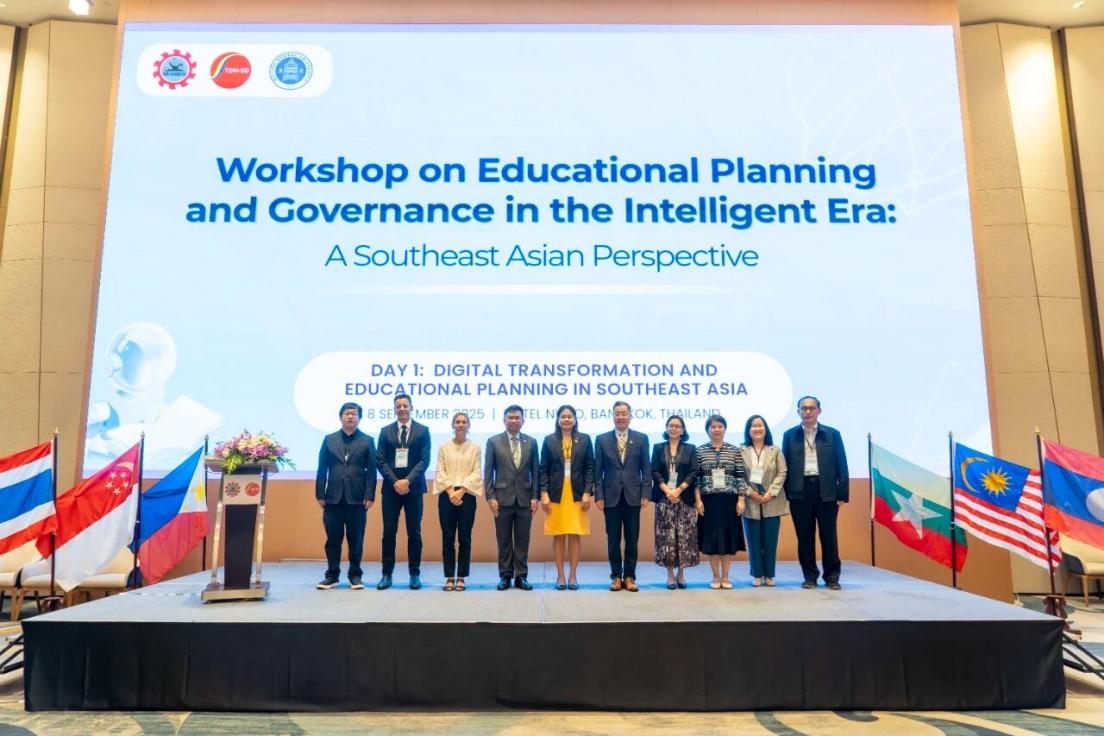
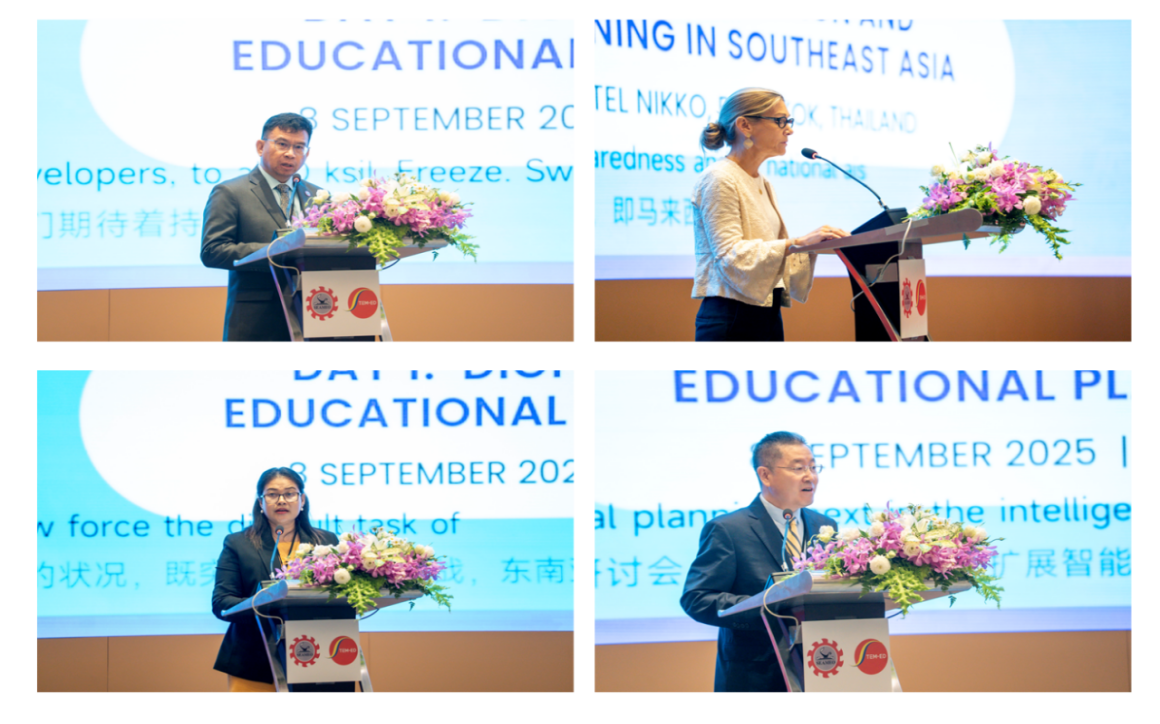
In their opening remarks, Ms. Chitralada Chanyaem, Director of Bureau of International Cooperation Office of the Permanent Secretary, Ministry of Education of Thailand; Ms. Marina Patrier, Deputy Director and Chief of Education Section, UNESCO Regional Office in Bangkok; Professor Zhou Zuoyu, Director of the UNESCO International Research and Training Centre for Rural Education (UNESCO INRULED) and Vice Chair of the University Council of Beijing Normal University; and Dr. Kritsachai Somsaman, Centre Director of the Southeast Asian Ministers of Education Organization (SEAMEO) STEM Education Centre (SEAMEO STEM-ED), addressed the participants.The speakers unanimously acknowledged the critical importance of AI in the field of education. Guided by Sustainable Development Goal 4 (SDG 4), they emphasized the need to progressively transition from theoretical research to practical application, supporting educational innovation while being mindful of potential risks. They stressed the importance of ensuring the provision of quality educational resources and narrowing the digital divide through inclusive and equitable AI applications in education.
Expert Perspectives: AI Reshaping the Education Ecosystem
Professor Zeng Haijun, Vice Dean of the Smart Learning Institute of Beijing Normal University and Deputy Director of the National Engineering Research Center for Cyberlearning and Intelligent Technology, delivered a comprehensive keynote titled “AI-Empowered On-Demand Learning.” He outlined the core framework of China's digital education strategy and future learning paradigms. He emphasized that AI has been positioned at the heart of China's education reform, with national-level platforms and pilot projects serving as key practices for achieving educational equity and inclusion. He elaborated that smart education comprises a three-layer architecture: the foundational layer consists of smart learning environments providing resource and tool support; the middle layer focuses on technology-enhanced teaching and personalized human-AI collaborative learning; and the top layer integrates evidence-based decision-making with modern governance. This framework, he noted, redefines the future forms of teachers, classrooms, and schools. Professor Zeng further pointed out that AI will connect resources, environments, and services to support dynamic, personalized, and lifelong learning needs, ultimately constructing an on-demand learning paradigm centered around human-AI collaboration. Dr. Chen Ying, Postdoctoral Researcher at Beijing Normal University, introduced the innovative practices and regional collaboration initiated by the seminar. She presented phase-based research outcomes, including the release of the new book “Smart Education: Pathways Toward Education 2050” and the briefing report from the first seminar session. She indicated that the focus would be on assessing the readiness for integrating AI into education, identifying key elements of future smart education, and fostering leadership development, all while exploring a Southeast Asian perspective on AI-in-education planning.
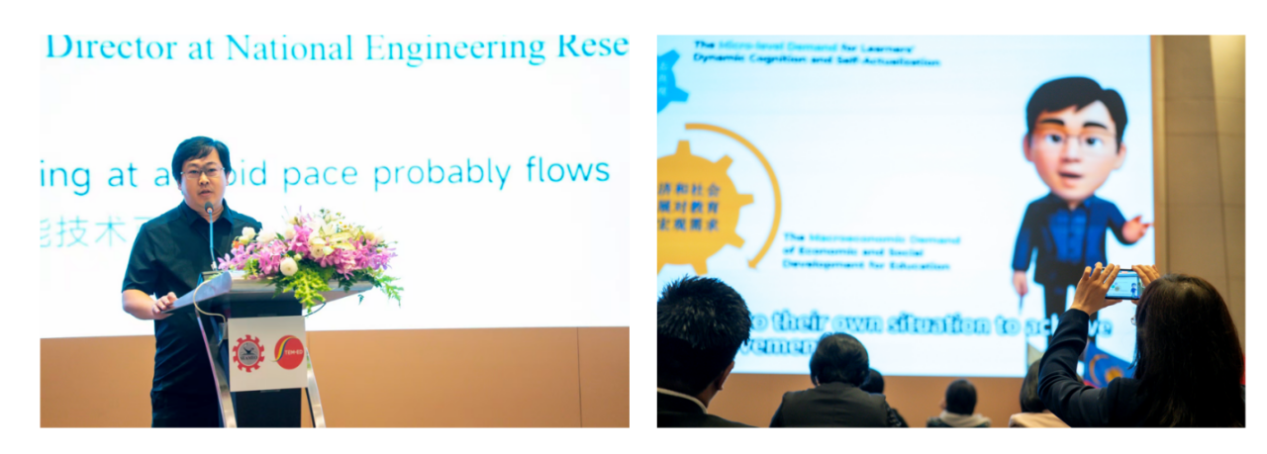
Mr. Pat Yongpradit, Chief Academic Officer of Code.org and Lead of the Teach AI Initiative, delivered a keynote speech titled “AI’s Role in Transforming Educational Planning & Governance in Southeast Asia.” He introduced a global AI literacy framework and outlined a dual-path strategy implementing both “AI for Teaching” and “Teaching AI.” He explained how establishing dedicated task forces, integrating AI literacy into curriculum systems, enhancing teacher training, rolling out innovative pilot programs, and developing usage guidelines are being leveraged to modernize educational objectives and assessment mechanisms.
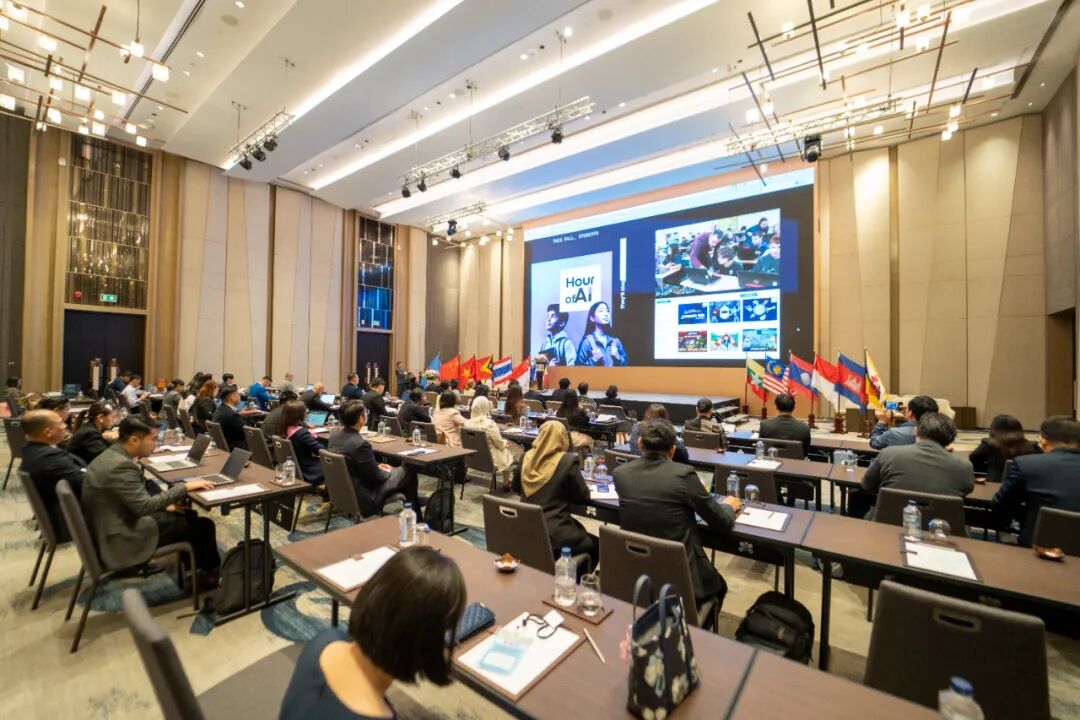
Ms. Muriel Poisson, Team Leader a.i., Knowledge Generation and Mobilization, UNESCO International Institute for Educational Planning (UNESCO IIEP), highlighted in her address that Asian countries are particularly proactive in integrating AI with education, while significant differences in practice exist among countries. She emphasized that advancing the digital transformation of education in Southeast Asia should be anchored in governance as the central pillar, built upon robust infrastructure, focused on teaching and learning as the core, and prioritized within educational planning and management. Furthermore, she called upon international organizations to play a pivotal role by building a global knowledge base, developing targeted capacity-building programs, and advocating for ethical standards and data security protocols. These efforts, she urged, are essential to bridge the gap between planners and technical experts, ensuring that technology genuinely serves the fundamental purpose of education.
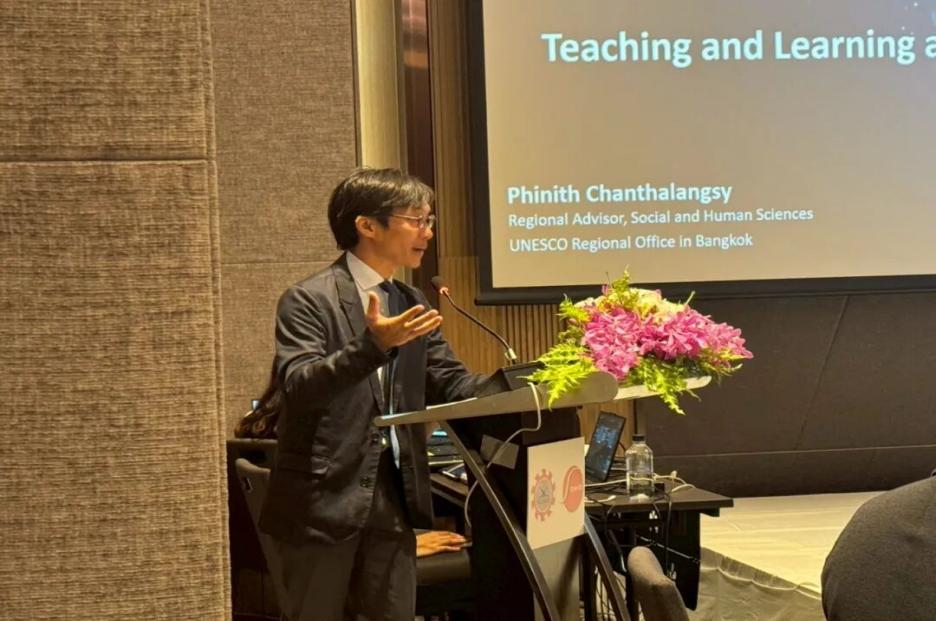
Mr. Phinith Chanthalangsy, Regional Advisor for Social and Human Sciences at the UNESCO Regional Office in Bangkok, presented UNESCO's AI Ethics Framework and the AI Readiness Assessment Methodology (RAM). He noted that assessment reports for Cambodia, Indonesia, the Philippines, and Thailand have been released, while evaluations for Malaysia and Laos are currently underway.
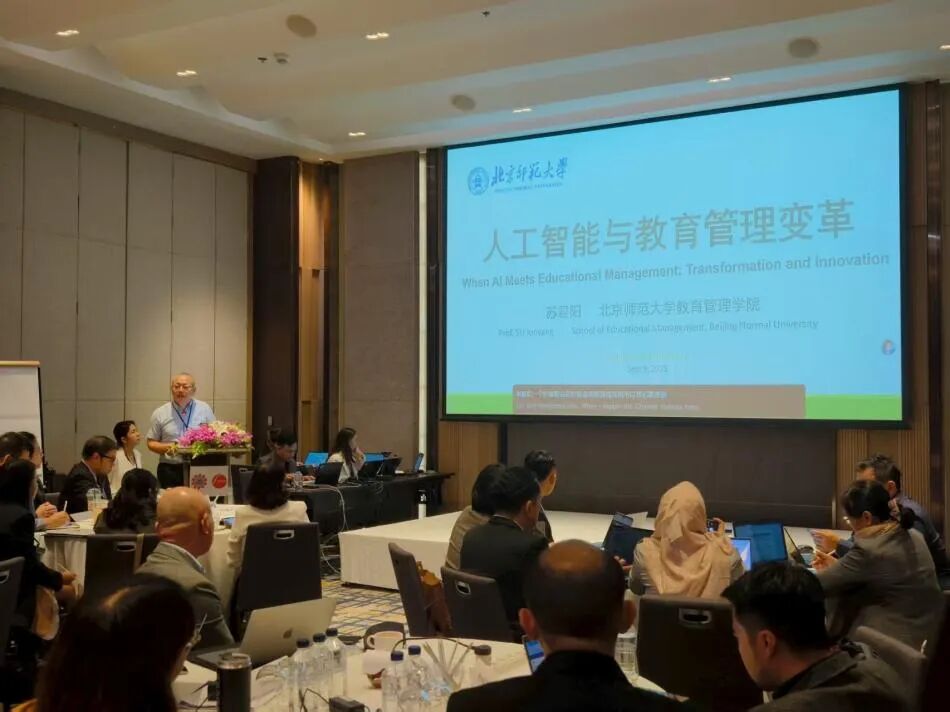
Professor Su Junyang, Dean of the School of Educational Management at Beijing Normal University, pointed out that generative artificial intelligence tools are rapidly evolving toward Artificial General Intelligence (AGI), profoundly reshaping the concepts and practices of educational management. He stated that educational management is entering an era of transformative change driven by human-AI interaction. Compared to the limitations of human intelligence in planning, decision-making, supervision, and evaluation, AI demonstrates significant advantages in scientific decision-making, process management, and efficiency enhancement. Amid the increasing multiplicity and complexity of internal relationships in educational management, digital intelligence ethics has become an essential component of educational management ethics.
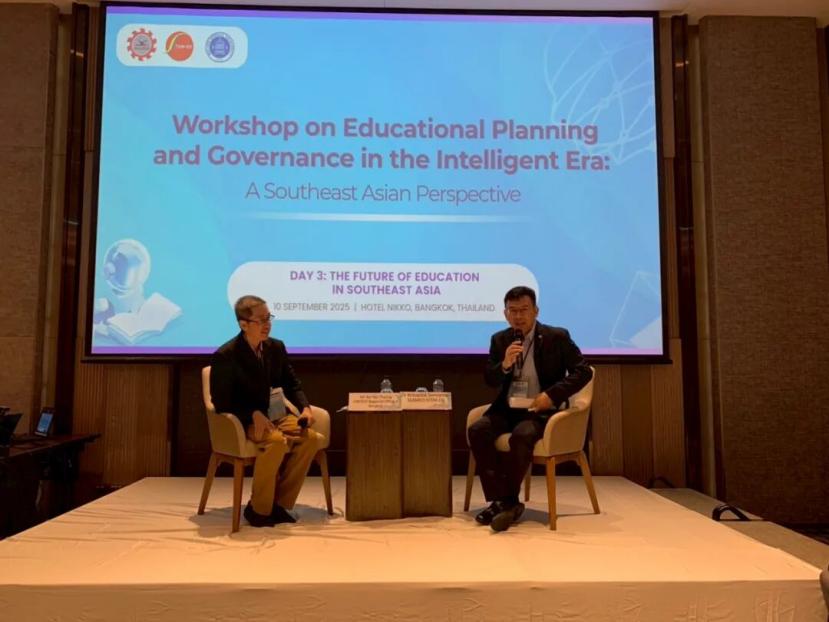
Mr. Nyi Nyi Thaung, Programme Specialist at the UNESCO Regional Office in Bangkok, and Dr. Kritsachai Somsaman, Centre Director of the Southeast Asian Ministers of Education Organization (SEAMEO) STEM Education Centre (SEAMEO STEM-ED), jointly advocated for integrating UNESCO’s three core principles – reaching all learners, a human rights-based approach, and gender equality and empowerment – throughout all aspects of AI in education. They emphasized that current efforts should focus on implementing global frameworks and establishing unified data standards to unlock AI’s potential.
Regional Dialogue: Shared Challenges and Collaborative Pathways
During the workshop, representatives from nine Southeast Asian countries presented their achievements and challenges in advancing AI in education, facilitating the sharing of current statuses, strategies, and practical experiences in AI-Education integration to inform regional digital education development. Participants widely identified weak infrastructure, insufficient teacher training, adaptation to multilingual environments, and ethical risk governance as common regional challenges. They concluded that future efforts require strengthened cross-border cooperation, promoting experience sharing and resource coordination to ensure AI empowers educational transformation in a more inclusive and robust manner.
In the roundtable discussion on “Strategies for Bridging the Digital Divide,” experts from UNESCO and Southeast Asia acknowledged AI’s new momentum for educational transformation but warned of its potential to exacerbate inequalities. Ms. Miki Nozawa, Education Programme Specialist from the UNESCO Hanoi Office, noted that despite Vietnam’s established AI in education policy framework, rural areas still face challenges like internet outages, equipment shortages, and limited teacher capacity. Ms. Esther Christine McFARLANE, Education Programme Specialist from the UNESCO Phnom Penh Office, revealed that only 8% of Cambodian schools have internet access, with teachers generally lacking confidence in using digital tools. She stressed that “AI is not a panacea replacing fundamental investments.” Ms. Anna d’Addio, Senior Policy Analyst from the UNESCO Global Education Monitoring (GEM) Report Team, called for attention to the lack of evidence: “Technology adoption is outpacing evaluation progress, and low- and middle-income countries need US$18 billion to achieve full school connectivity.” Experts unanimously agreed that teacher empowerment is the key breakthrough for equitably advancing AI in education. Dr. Majah-Leah V Ravago, Centre Director of the SEAMEO Regional Centre for Innovation and Technology (SEAMEO INNOTECH), proposed establishing transnational safeguard mechanisms through localized data storage, tiered privacy protection, and regional policy coordination. Mr. Ahmad Heikhal Amir Hamzah, Manager of the Strategic Planning and Communication Division at the SEAMEO Regional Centre for Special Educational Needs (SEAMEO SEN), shared practical cases in special education: AI reading applications can assist visually impaired students, but the perception barrier that “personalized learning is only for the elite” must be broken. The discussion culminated in three key consensus points: prioritize investment in teacher training for AI-assisted teaching and ethical application; establish multi-stakeholder governance frameworks to balance innovation and risk control; and build a Southeast Asian practice-sharing platform to address one-size-fits-all dilemmas with localized cases.
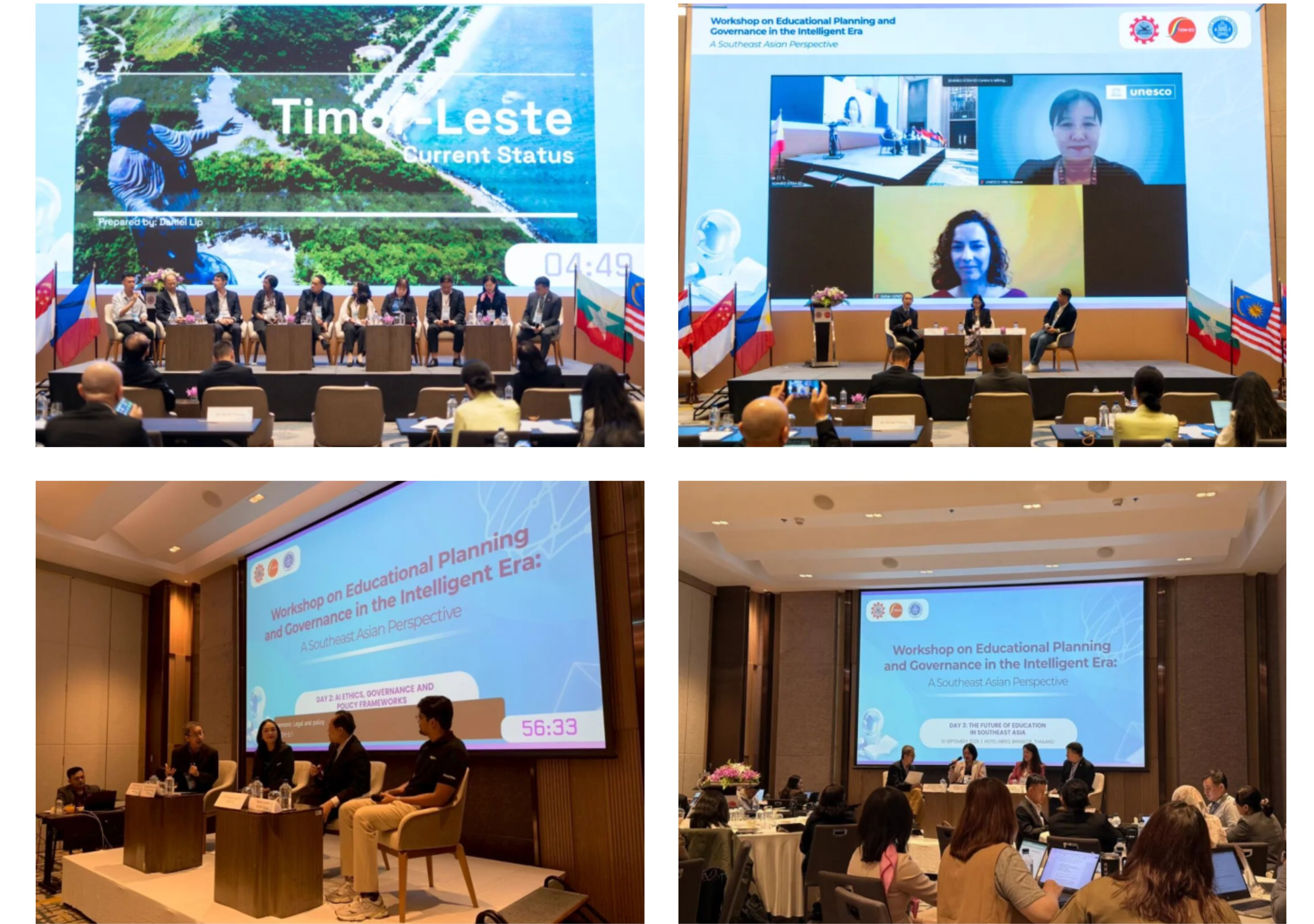
During the “Legal and Policy Considerations in AI Adoption” roundtable, Dr. Thepchai Supnithi, Director of the National Electronics and Computer Technology Center (NECTEC) of Thailand, elaborated on Thailand’s strategic layout for AI legal frameworks and policy directions. He highlighted mechanisms like open-source infrastructure, national databases, and regulatory sandboxes to implement AI in education policies, emphasizing the need to enhance generative AI literacy and foster collaboration between the Ministry of Education and the Ministry of Higher Education to build a multi-level support system. Dr. Supatida Prompayuck, CEO of The S Curve Company Limited, emphasized the crucial role of public-private partnerships (PPPs) in advancing AI educational applications and ensuring data privacy. She noted that while generative AI’s adoption rate surpasses previous technologies, AI tools require adaptation to local cultures and educational contexts. Using cases like Gemini Academy, she demonstrated AI’s role as a teaching aid that empowers rather than replaces teachers, affirming that teachers remain central to home-school interaction and sustainable AI application. Discussing challenges and opportunities for AI education projects in Southeast Asia, Mr. Vikram Londhe pointed out that implementing AI teaching requires adaptable and structured methods to integrate rapidly evolving AI technologies. He emphasized providing students with easy-to-master tools to encourage practice while cultivating critical thinking and ethical awareness, cautioning against over-reliance on AI potentially undermining foundational thinking skills and addressing challenges like language barriers and data scarcity.
In the roundtable on “AI’s Role in Inclusive and Equitable Education: AI Competency for Teachers and Students,” Mr. Santosh Khatri, Chief of Education at the UNESCO Regional Office in Jakarta, outlined Indonesia's efforts to narrow the urban-rural digital divide through the “Kampus Merdeka” initiative, ICE Teacher Training Centers, and rural network coverage projects. Ms. Liu Tianyi, Programme Coordinator at the UNESCO International Research and Training Centre for Rural Education (UNESCO INRULED), highlighted the multiple barriers—environmental, behavioral, and familial—facing rural women in STEM education, advocating for policy support and socio-emotional competency development to enhance their participation. Teacher empowerment was identified as key to integrating AI into classrooms. Ms. Wong Lai Cheng, Senior Communication and Publication Manager at the SEAMEO Regional Centre for Education in Science and Mathematics (SEAMEO RECSAM), shared that the centre enhances teacher confidence in using AI tools through workshops, ethical framework development, and regional STEAM competitions. However, challenges remain, including insufficient generative AI literacy, unequal access to tools, and gender participation imbalances. Experts emphasized that AI applications in education must adhere to the core principles of “inclusivenes”" and “sustainability.”
Innovative Practices: Case Studies and Digital Technology Applications
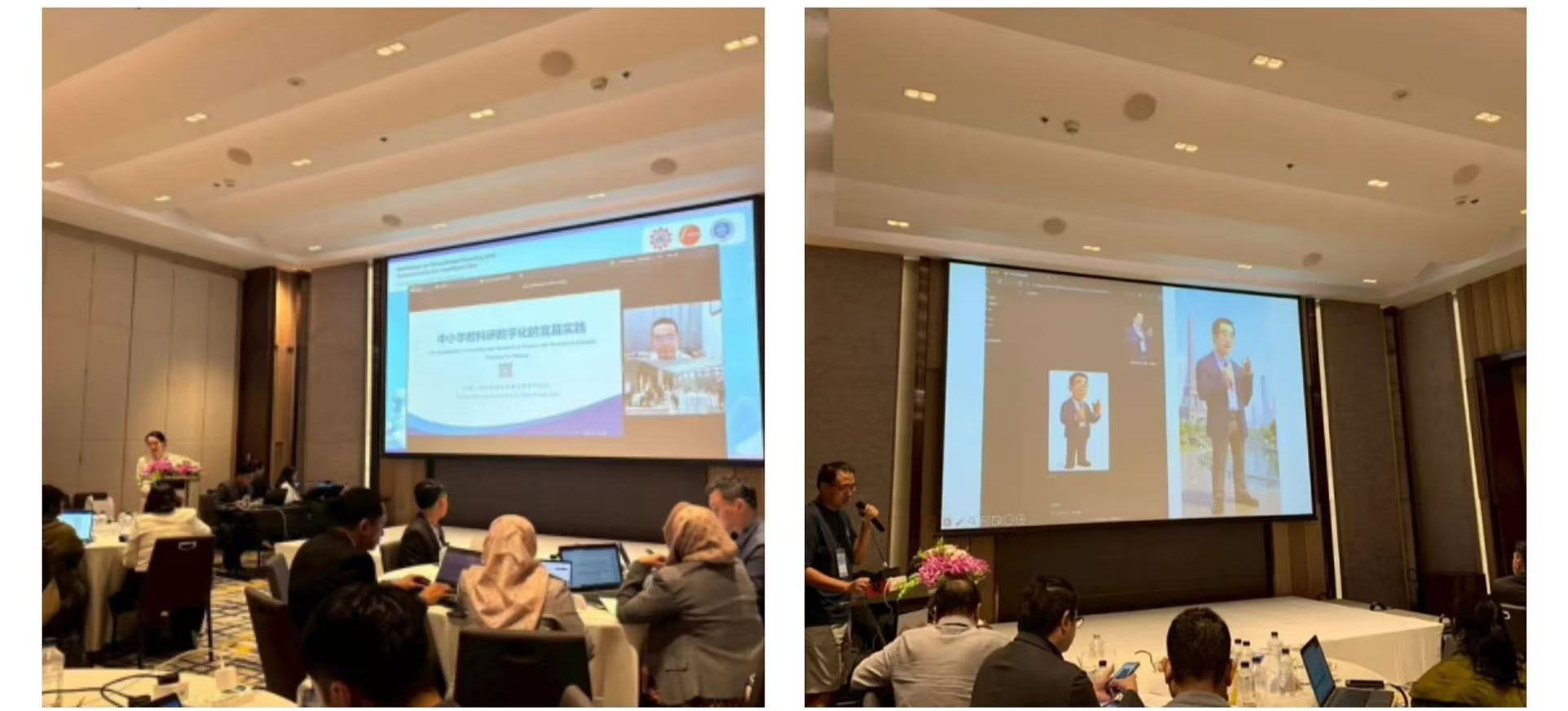
The case study and policy design practicum, chaired by Dr. Chen Ying, Postdoctoral Researcher at Beijing Normal University, employed a research logic framework encompassing four dimensions:contextual assessment and education policy design, the role of technology, educational needs, inclusiveness and efficiency, and manpower, cooperation, implementation and evaluation. This provided Southeast Asian educators with vital analytical and design tools for systematically reviewing international experiences and designing innovative tasks. To enhance interactivity, the case study session moved beyond traditional presentations, encouraging groups to use digital humans for auxiliary reporting and to conceptualize future scenarios of AI-education integration.
Professor Jiang Kuilin, Director of the Yichang Academy of Educational Sciences in Hubei Province, shared practices in digitalizing teaching and research in primary and secondary schools in Yichang. He explored the application of digital technology in integrating educational resources, reforming classrooms, innovating teaching research, and conducting quality evaluations, providing valuable experiential references for the balanced and high-quality development of regional education.
Engineer Chen Hongyu from the Smart Learning Institute of Beijing Normal University focused on the cutting-edge topic of digital humans, introducing their basic concepts, application scenarios, specific production processes, and various open-source and commercial tools for voice cloning, motion synthesis, lip-syncing, and advanced animation generation, demonstrating the complete technical chain for creating digital humans. During the hands-on session, the organizers provided technical support, guiding participants step-by-step through basic digital human production methods, laying the foundation for subsequent course presentations.
During the policy design practicum, ten country groups drafted policy proposals based on case study findings, focusing on three directions: AI + Educational Equity, AI + Teacher Empowerment, and AI + Crisis Response. The design process adopted a “dual-mentor system,” where each group received continuous guidance from resident experts from UNESCO or Beijing Normal University for framework building, alongside targeted input from specialized consultants in areas like educational equity and data ethics. From situational analysis to final policy drafting, each group’s design practice proved that AI governance must combine “problem-oriented” and “ethics-first” approaches.
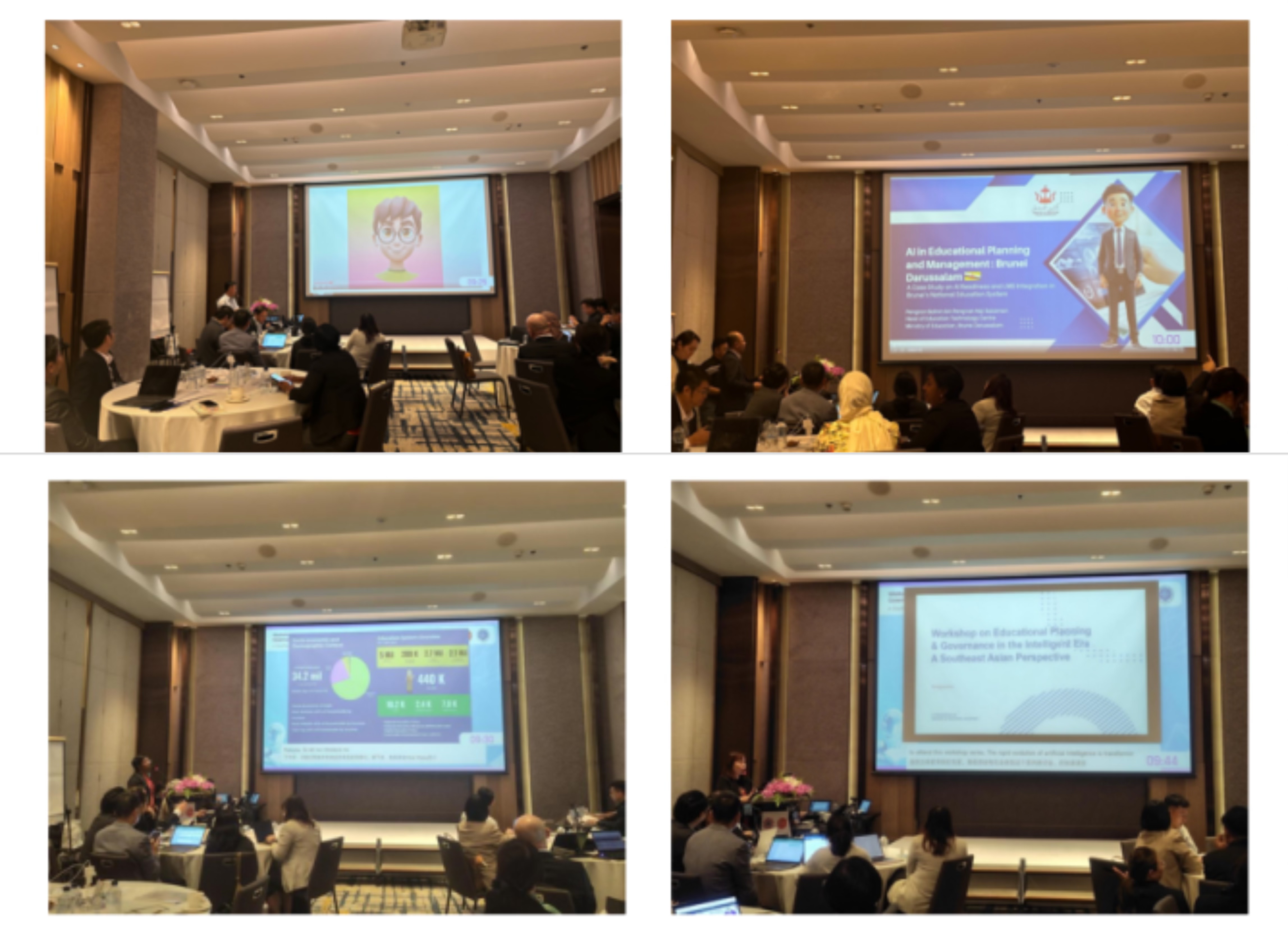
Representatives from Thailand, Timor-Leste, and Brunei innovatively used digital human technology for their presentations. The Timor-Leste representative, building on the E-skola platform under the ALMA project, uses educational technology as the core to preliminarily achieve multiple benefits including enhanced leadership, strengthened teacher digital literacy, and curriculum support. Future plans include establishing a local AI innovation center and developing regulations for educational AI agents to continuously advance the digital education ecosystem. The Brunei representative introduced the country’s talent cultivation strategy, centered on an AI governance and ethics framework and the Ministry of Education’s digital transformation plan. Future efforts will focus on refining ethical guidelines and expanding the cooperation ecosystem to systematically promote responsible AI applications in education. Thailand is comprehensively advancing AI in education guidelines and curriculum development, systematically outlining AI application scenarios, potential risks, and ethical requirements in primary and secondary education. Future plans include implementing a national general AI education program to continuously foster innovation in integrating AI into education.
National educational platform construction emerged as a key focus for using AI to enhance educational inclusiveness and the digital competency of teachers and students. The Indonesian representative introduced the integrated digital ecosystem “Rumah Pendidikan” (Education Home), plans to integrate programming and AI into the national curriculum, strengthen digital literacy and STEM education, and break down data and operational silos to address issues like uneven resource distribution and teacher shortages. The Malaysian representative highlighted the DELIMa smart education platform, which integrates multiple AI tools to support personalized learning, real-time feedback, and teacher professional development. Future plans include integrating AI predictive analytics into the education command center for data-driven decision-making and resource optimization. The Lao representative utilizes a national adaptive learning platform and an AI-enhanced Education Management Information System (EMIS) to improve teaching quality and equitable resource allocation. Future plans involve establishing a national AI in education task force and launching pilot projects for deep AI-education integration. The Myanmar representative presented the country's core initiatives using the Myanmar Digital Education Platform (MDEP) to drive blended learning transformation and its challenges. Future plans include advancing a tiered training system, establishing monitoring and evaluation mechanisms, and enhancing platform offline and mobile functions to build a more inclusive and effective blended learning ecosystem.
AI’s transformation of traditional education models drives synergistic innovation among all stakeholders, encouraging broad participation in building a new educational ecosystem involving home-school co-construction and social integration. The Singapore representative outlined the systematic advancement of AI in education, actively involving teachers, students, and parents in product design and optimization. At the implementation and governance level, emphasis is placed on close collaboration with research institutions, industry enterprises, and government departments to optimize AI curriculum goals and age-appropriateness. The Philippine representative introduced the core initiative for advancing AI education—the “E-CAIR” (Educational AI Research Centre)—which systematically promotes AI integration in basic education, data-driven resource optimization, and teacher capacity building through policy support, curriculum development, and research cooperation, enabling efficient and responsible AI implementation in education. The Vietnamese representative emphasized the crucial role of universities in enhancing the implementation effectiveness of digitalization and AI policies through cultivating new human resources and improving teacher qualifications. Future plans involve piloting university digital transformation in Hanoi and promoting its nationwide rollout and upgrade.
Outcomes and Outlook: Building Consensus, Deepening Regional Collaboration
At the closing ceremony, the organizers summarized the seminar outcomes, crystallizing three core observations: First, localized solutions are essential—AI in education must be grounded in national contexts, exploring adaptable pathways through small-scale pilots. Second, regional synergy and cooperation are vital—countries should share experiences and policy outcomes, establish knowledge-sharing platforms, and jointly develop policies on ethics, data privacy, and accessibility. Third, systematic teacher capacity building is needed to enhance the AI competency and interdisciplinary abilities of policymakers, teachers, and technical teams. Participants expressed commitments to establishing monitoring and evaluation frameworks to measure AI’s impact on educational quality, efficiency, and equity; deepening regional cooperation through phased actions; and building long-term cooperation mechanisms to make AI a significant force for promoting educational equity, quality, and inclusive development in Southeast Asia.
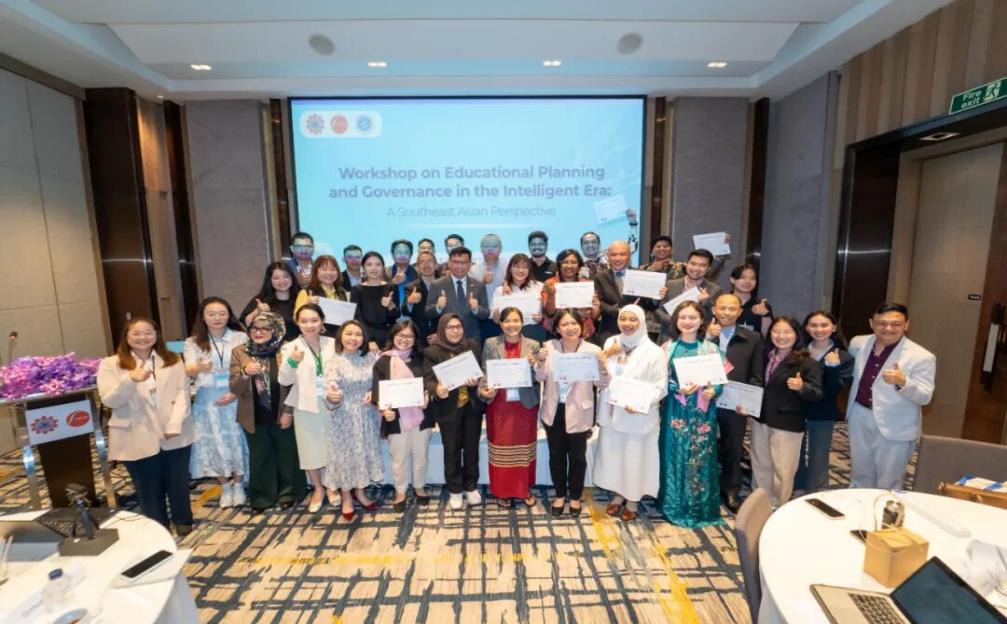
The “Workshop on Educational Planning and Governance in the Intelligent Era: A Southeast Asia Perspective” focused on capacity building for digital education planning and governance, convened global educational perspectives and international digital resources, disseminated China’s digital education concepts, provided Chinese solutions for AI-driven educational transformation, promoted the smart education framework, and facilitated the sharing of quality educational resources between China and Southeast Asia, receiving unanimous acclaim from participants. Concurrently with the seminar, in-depth interviews and surveys were conducted on key topics like smart education and digital leadership. Subsequent thematic articles and summary reports will be released through the UNESCO Chair on Artificial Intelligence in Education platform, providing theoretical and practical support for the development of smart education in Southeast Asia. The third international seminar, “Seminar on AI and the Future of Education: Planning for New Horizons,” is scheduled for March 2026 in Cairo, Egypt, alongside an international AI conference, primarily covering education planners and decision-makers from Africa and China. Stay tuned.
Copyright © 2025 All Rights Reserved by WDEA