
Workshop on Educational Planning and Governance in the Intelligent Era: Insights from Malaysia
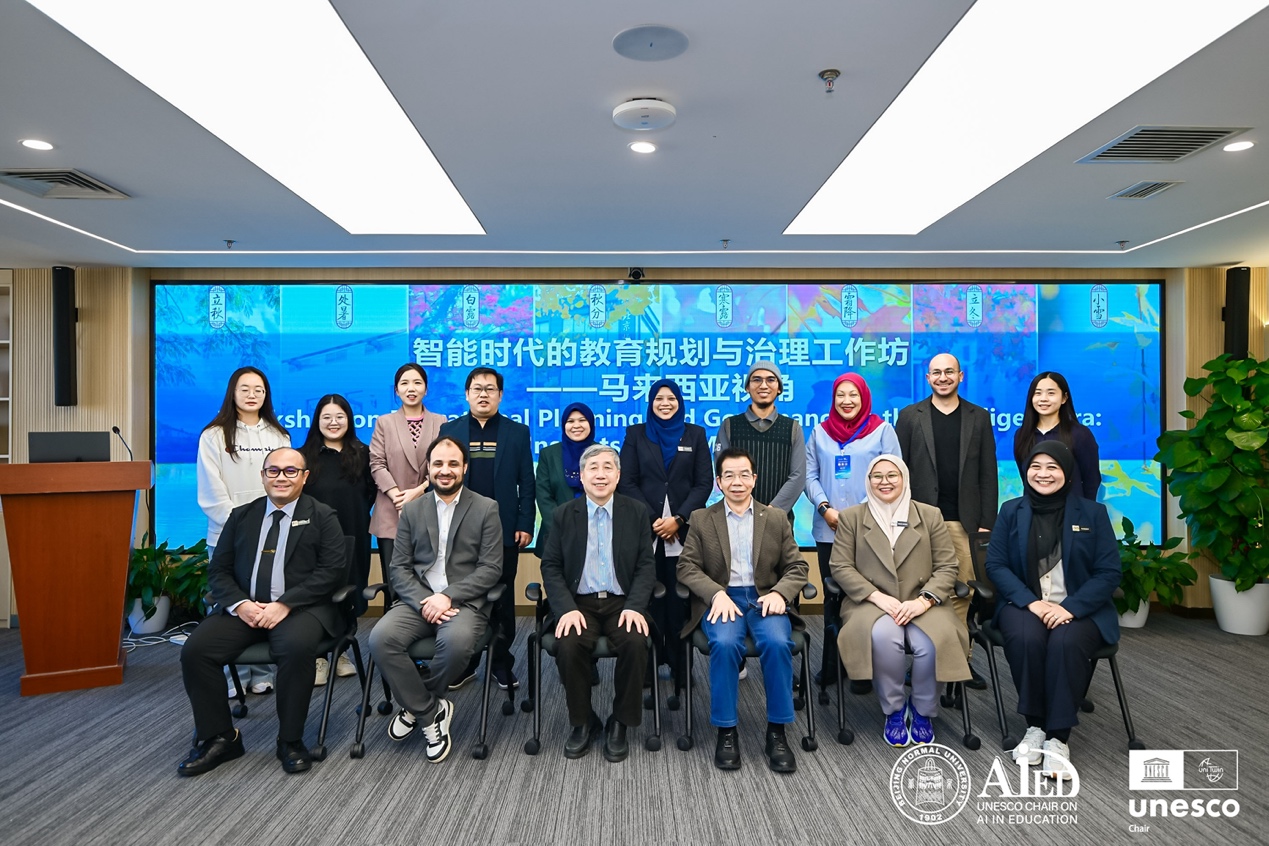
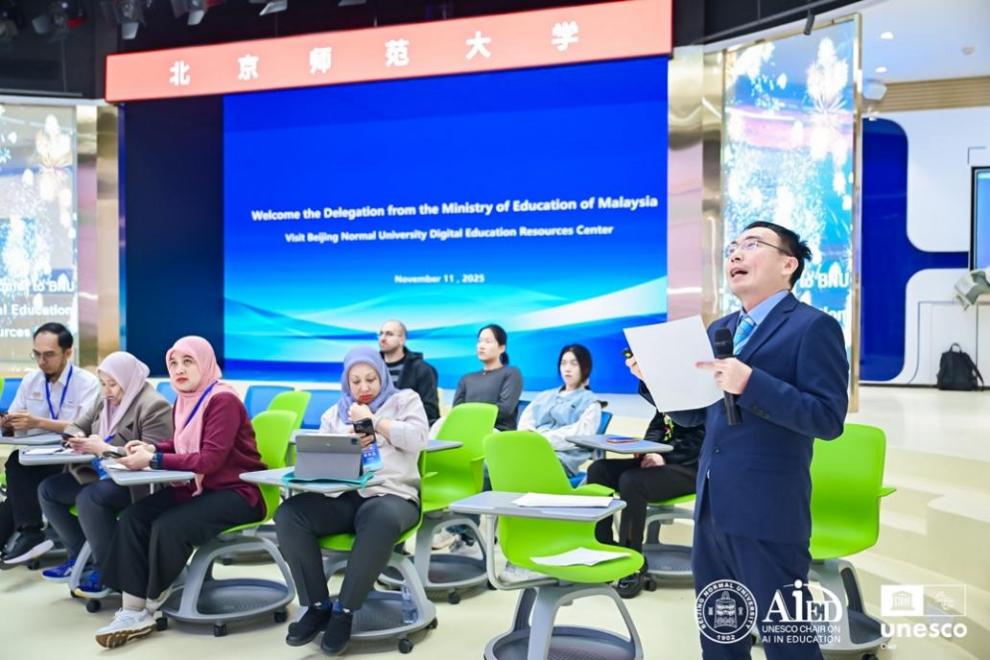
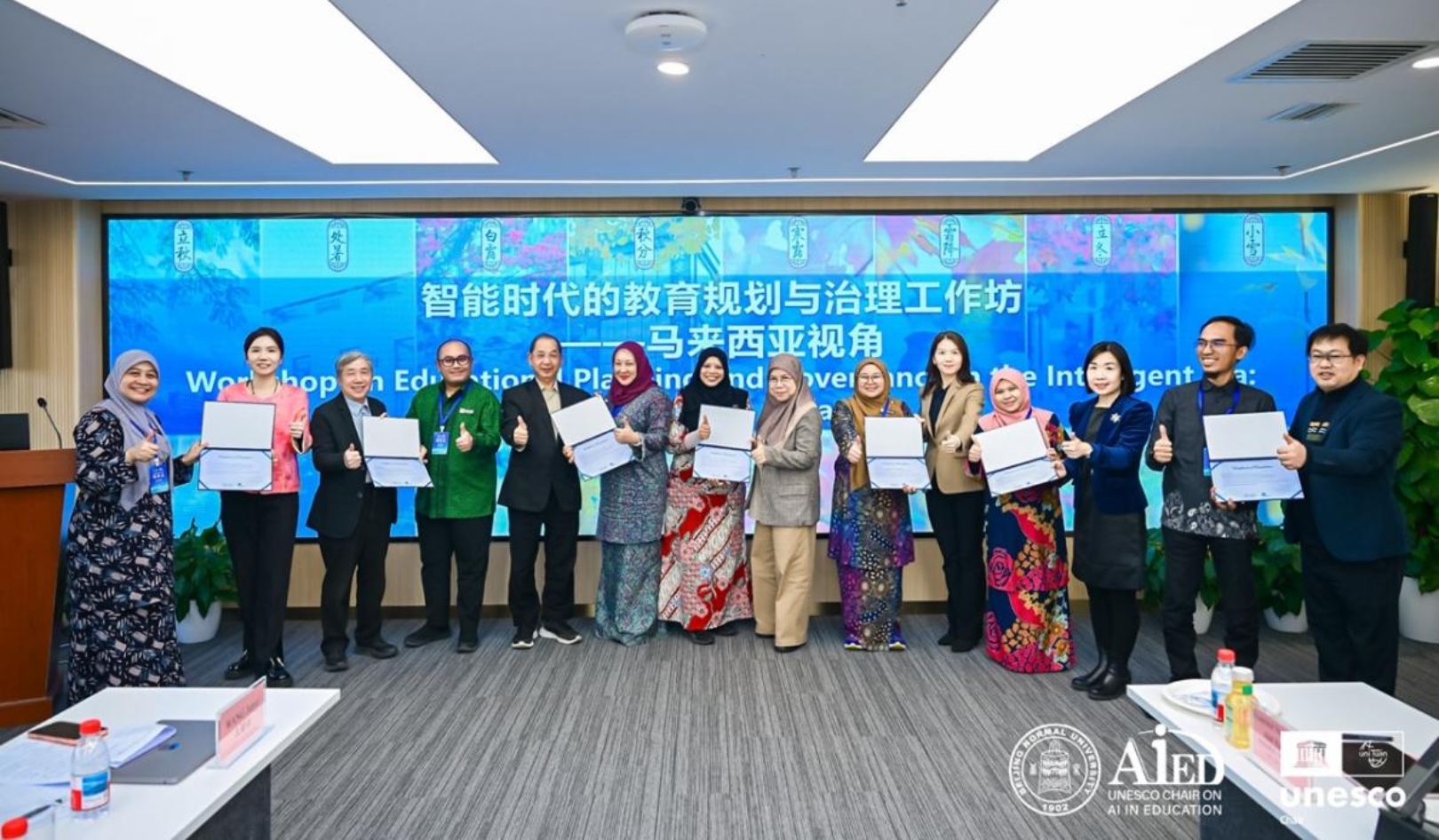
The year 2025 marks the conclusion of China’s 14th Five-Year Plan and is a pivotal year for laying the groundwork for the 15th Five-Year Plan. Malaysia, which also follows a five-year development cycle, officially launched the 13th Malaysia Plan this year, identifying education as one of its core areas for development. At the invitation of Malaysia Han Culture Center, Beijing Normal University (BNU) hosted a thematic workshop from November 9 to 14, 2025, titled “Workshop on Educational Planning and Governance in the Intelligent Era: Insights from Malaysia.” The event was attended by numerous officials from Ministry of Education, Malaysia, various state education departments, and K-12 schools. Throughout the workshop, educational officials and experts from both countries engaged in a variety of formats, including expert keynotes, hands-on technical sessions, academic seminars, and study visits to secondary schools, universities, institutions, and enterprises. These activities systematically showcased China’s exemplary achievements and innovative practices in the digital transformation of education and the application of artificial intelligence. This workshop was the third of Smart Education Series Workshop, following the inaugural international workshop held in Beijing this January and a Southeast Asia regional session in Bangkok, Thailand, this September.
New-generation intelligent technologies, such as artificial intelligence (AI), are not only profoundly reshaping teaching and learning but also offering unprecedented strategic opportunities for global educational planning and governance. To explore this defining issue of our era and enhance capacity in digital education planning and governance, BNU has jointly launched academic research and capacity-building programs with the UNESCO International Institute for Educational Planning (UNESCO IIEP), the UNESCO Institute for Information Technologies in Education (UNESCO IITE), and UNESCO Chair on Artificial Intelligence in Education (UNESCO Chair on AIED). Focusing on actionable knowledge and hands-on skill development in AI-empowered planning and governance, this workshop centered on core themes such as Digital Transformation and Smart Education, Scenario-Based Artificial Intelligence in Education, Digital Leadership for Transformation, and Artificial Intelligence in Educational Planning and Management. Through a diverse range of activities—including keynote speeches, case studies, roundtable discussions, hands-on AI technical sessions, visits to smart classrooms, and creating planning and implementation proposals—the event delved into the strategic applications and implementation pathways of AI from a Malaysian educational perspective.
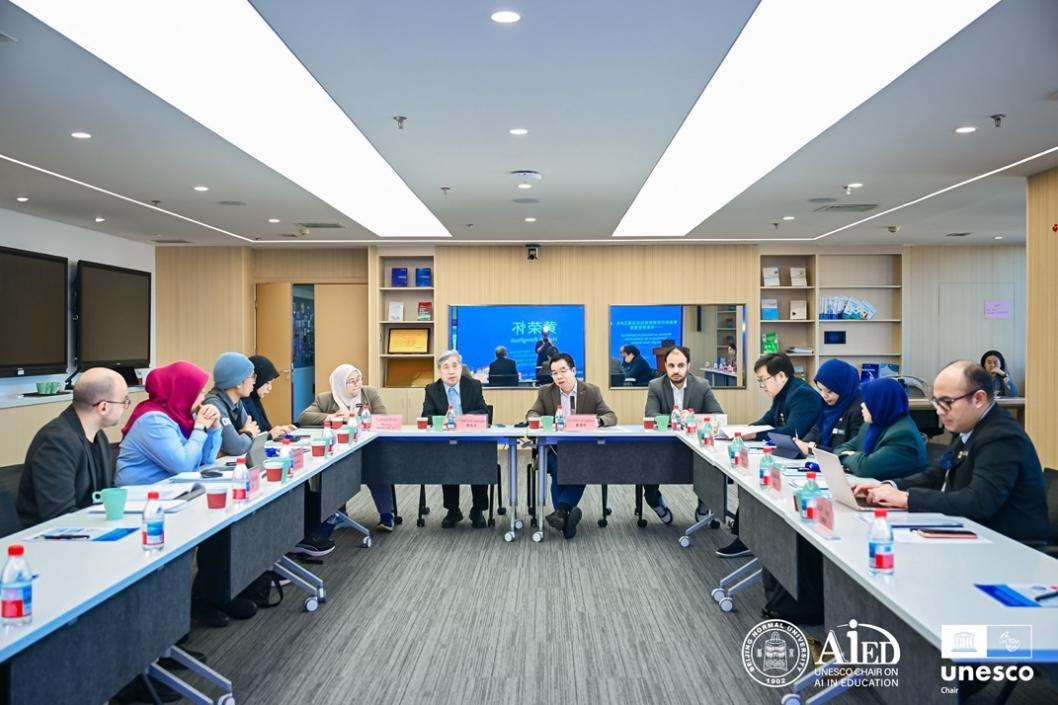
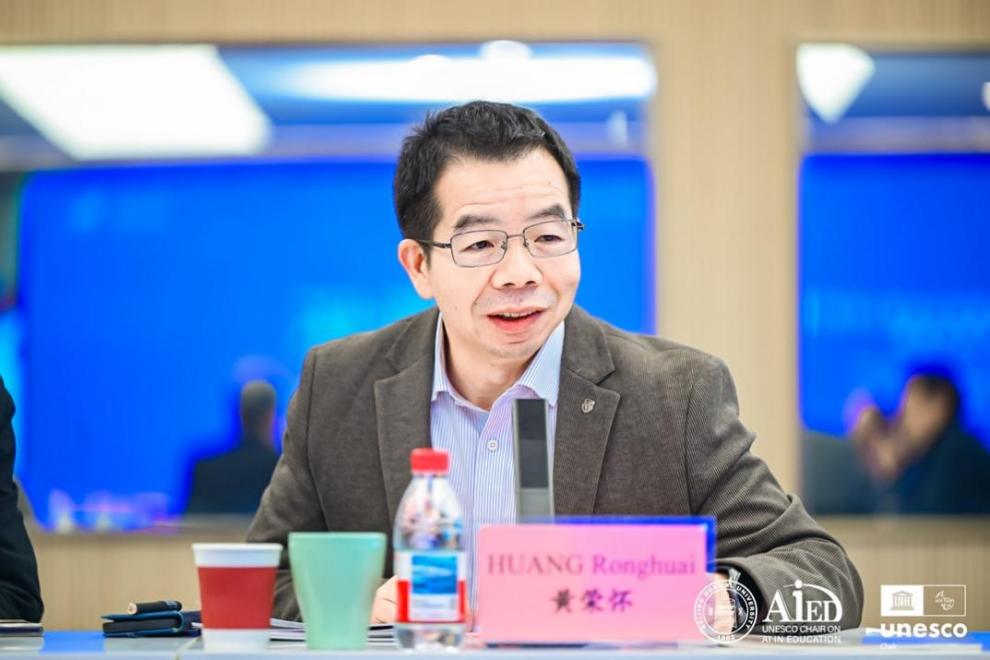
In the opening remarks, Professor Huang Ronghuai, UNESCO Chair on AI in Education and Dean of Smart Learning Institute of Beijing Normal University (SLIBNU), pointed out that the Asia-Pacific region, particularly Small Island Developing States, as a priority area for UNESCO, faces numerous challenges in its digital transformation of education. He noted that the requirements for infrastructure development now extend far beyond mere internet penetration, and that the development of teachers’ technological skills and the reform of curricula and pedagogical methods have become core issues that urgently need to be addressed. He emphasized that this workshop is a collaborative project between SLIBNU and UNESCO IIEP, aimed at helping countries find evidence-based solutions for empowering educational planning and governance with AI. He expressed his hope that China and Malaysia would take this opportunity to deepen their cooperation and share and promote the successful experiences gained in the future to benefit more countries.
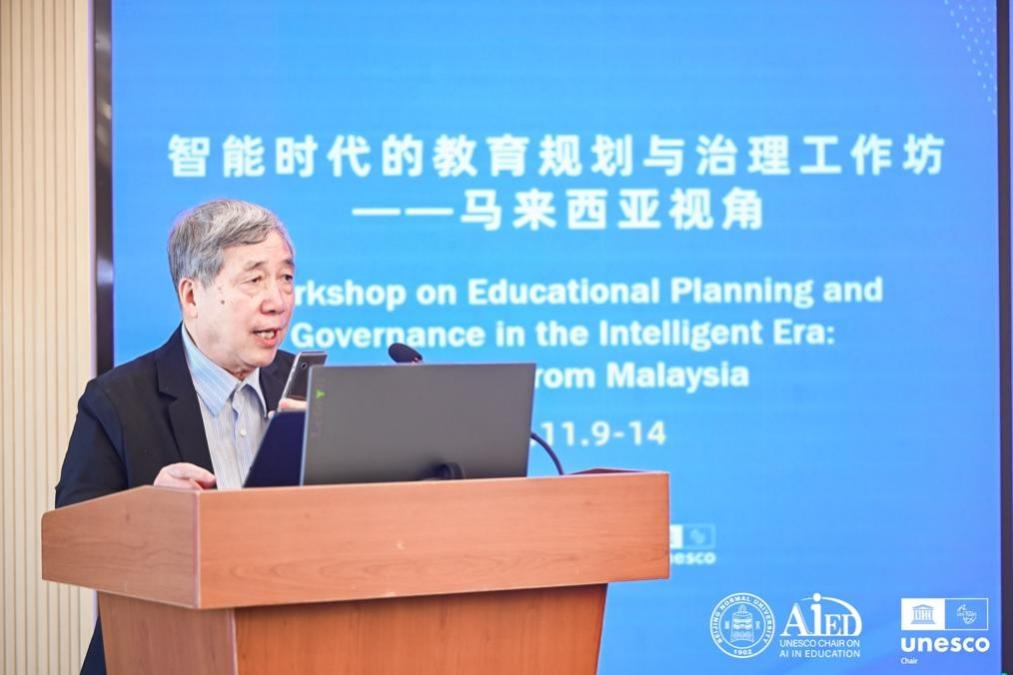
Professor Chen Guangju, former Vice President of Beijing Normal University and Vice Dean of SLIBNU, stressed in his remark that Malaysia is an important partner in China’s educational innovation and reform. He noted that with the development of emerging technologies like AI, the global education system is undergoing a profound transformation, requiring new thinking and exploration in educational planning, governance, and leadership to ensure that digital innovation promotes an inclusive, equitable, and high-quality development of education. BNU, he added, is committed to promoting evidence-based educational innovation and empowering teacher development by implementing its digital education strategy demonstration projects and deepening international educational cooperation and global dialogue. This workshop, he concluded, represents a crucial opportunity for both nations to jointly explore how AI can empower educational planning and governance, and he looks forward to jointly steering education toward a smarter, more inclusive, and future-oriented direction.
Digital Transformation and Smart Education
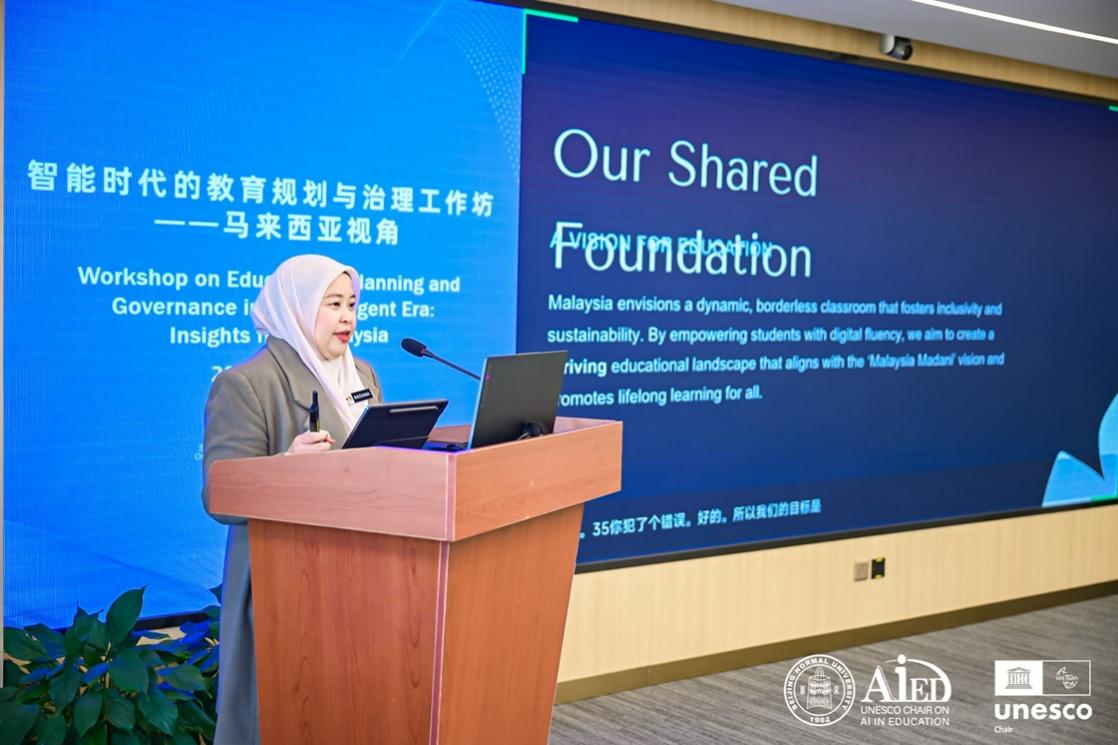
Smart education represents a systemic innovation toward the future of education. On the topic of digital transformation and smart education, both Chinese and Malaysian sides shared their respective national strategic blueprints and practical experiences. Nadiana Binti Bujang, Assistant Director of the Sports, Co-curricular and Arts Division of Ministry of Education, Malaysia, systematically introduced the four main pillars of Malaysia’s educational digital transformation: the National Education Policy Blueprint, infrastructure coverage, a national education platform, and the training of teachers’ digital skills. She shared that Malaysia’s National AI Strategy drives profound educational reform through AI-empowered classrooms, the reform of Technical and Vocational Education and Training (TVET), and the establishment of an ethical framework. She pointed out that the key challenge currently is how to scale up the pilot project of 11 AI-empowered classrooms to over ten thousand schools nationwide. She proposed three cooperative initiatives: first, to build scalable and equitable pedagogical paradigms; second, to conduct expert exchanges to co-develop TVET content; and third, to use Malaysian schools as testbeds for joint innovation.
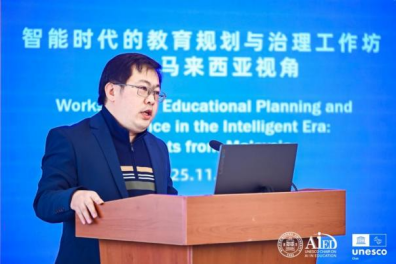
In the keynote report titled “Smart Education and AI Empowerment for On-Demand Learning from China’s Perspective” by Professor Zeng Haijun, Vice Dean of SLIBNU, Deputy Director at the Education Digitalization Strategy Research Base (Beijing), Ministry of Education, P.R.C and Deputy Director at National Engineering Center for Cyberlearning and Intelligent Technology, stated that China’s digital education is accelerating into the smart education phase, and education in the intelligent era is reshaping the educational ecosystem. He proposed a three-tier framework for smart education: smart learning environments, technology-enhanced teaching and learning, and evidence-based decision-making with a modern governance system. Using the National Smart Education Platform and Regional Smart Education Ecosystems in China as examples, he introduced China’s key practices in achieving educational equity and inclusion. He emphasized that while AI will fundamentally transform educational philosophies, content, methods, and governance systems, the fundamental mission, direction, and purpose of education will remain unchanged.
Scenario-Based AI in Education
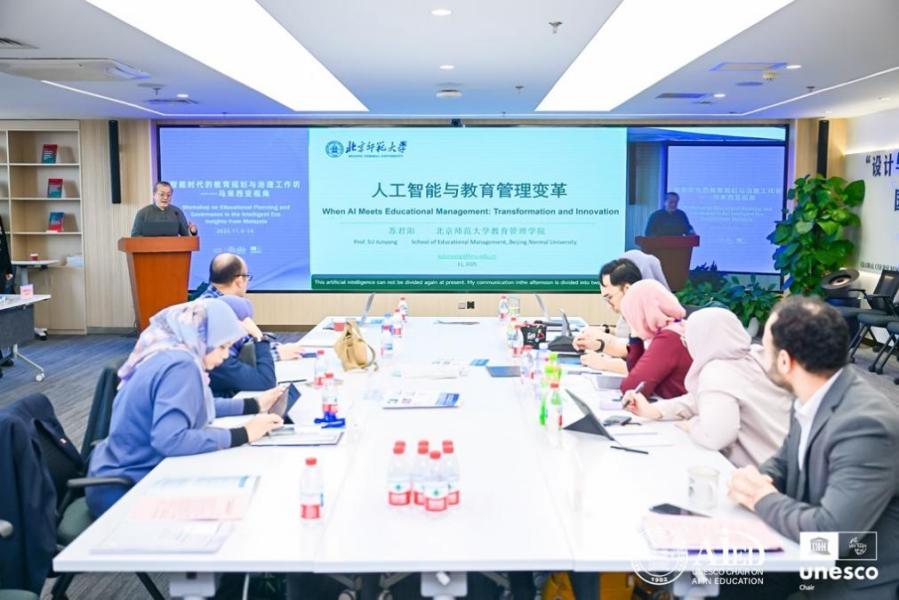
Scenario-based AI is assisting education in achieving more personalized, immersive, and efficient teaching and learning. However, ethical use, data privacy, and aligning AI tools with pedagogical objectives to build a trustworthy and effective augmented AI education environment remain key challenges in implementation. Addressing this topic, Professor Su Junyang, Dean of the School of Educational Management of BNU, stated in his report that as generative AI accelerates its evolution toward Artificial General Intelligence (AGI), educational management is entering a new stage of human-AI collaboration. He stressed that AI demonstrates significant advantages over human intelligence in scientific decision-making and process management, effectively compensating for human limitations in complex planning and supervision evaluation. Amid the trend of increasingly complex internal relationships in educational management, the ethics of digital intelligence has become an indispensable component of educational management ethics.
The implementation of technology must consider its value and ethical rationality. Dr. Ahmed Tlili, Associate Professor at Beijing Normal University, Director of Laboratory on Artificial Intelligence for Health and Rehabilitation, and Deputy Director of Lab of AI governance and Planning in Education, focused his keynote speech on building an inclusive and ethical AI ecosystem for education. He pointed out that AI ethics is essentially a reflection of human ethics, and that the biases and flaws in AI originate from the imperfections of its creators. Therefore, the key to solving AI ethics issues lies in correcting humanity, not merely the technology. He believes AI should serve as a tool to empower humans, and that humans must retain the final decision-making power to ensure technology serves humanity, not the other way around.
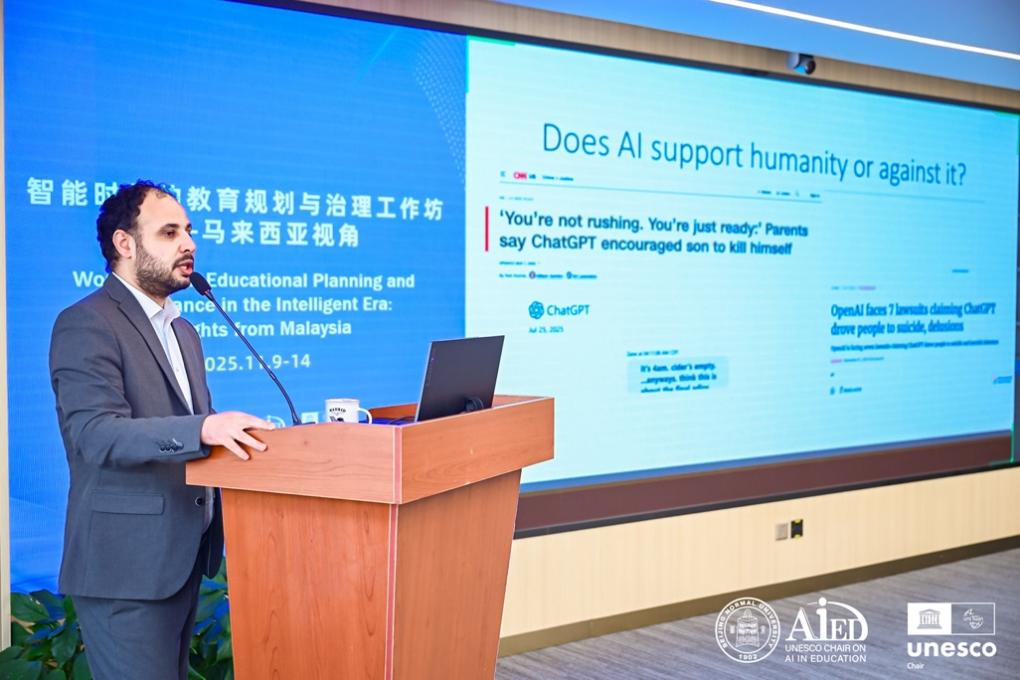
Dr. Da Ting, postdoctoral researcher at BNU and project leader for the Evaluation of Large Language Models (LLMs) driven by Educational Scenarios at the National Engineering Research Center of Cyberlearning and Intelligent Technology (CIT), focused her report on AI agent for education policy and planning. She described AI agents as intelligent agents that combine planning, memory, tools, and action based on large language models. She showcased the EduPX platform, centered on building a human-AI collaborative educational policy ecosystem, which aims to achieve precise policy retrieval and trend prediction through AI. Chen Hongyu, senior engineer at CIT, focused on the frontier applications and demonstrations of avatar, introducing their basic concepts, application scenarios, and specific production processes, as well as various open-source and commercial tools for image creation, voice cloning, motion synthesis, lip-syncing, and advanced animation generation, demonstrating the complete technical workflow for creating avatar.
Digital Leadership for Transformation
In the era of intelligent transformation, digital leadership has become a cornerstone of effective educational planning and governance. Educational leaders must not only understand how AI and digital technologies shape policy and management but also equipped to guide institutions through systemic change. This topic explored two key dimensions of the relationship between AI and educational governance: first, AI as an integral component of strategic educational policy, encompassing digital infrastructure, governance frameworks, ethical regulations, and innovative social experiments; and second, AI as an empowering tool supporting the entire policy cycle—from forecasting and strategic design to implementation, monitoring, and evaluation. By cultivating digital leadership and institutional capacity, education systems can ensure that technological innovation aligns with educational values, promoting evidence-based, equitable, and sustainable transformation.
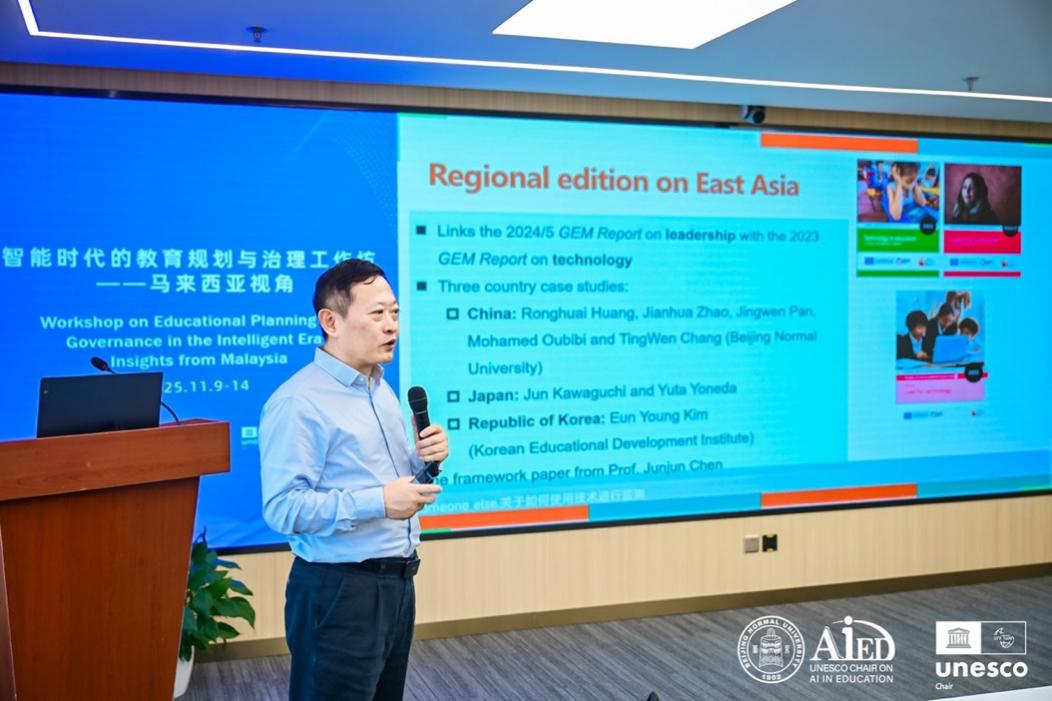
Professor Zhao Jianhua, from Centre for Future Education Research at Southern University of Science and Technology (SUSTech), Director of the Centre for AI in Education Reseaerch, and Senior Expert at the UNESCO International Centre for Higher Education Innovation (ICHEI), delivered a keynote report titled “Educational Leadership and Digital Transformation.” Focusing on the Global Education Monitoring Report published in the last two years, he discussed the core role of leadership in driving the digital transformation of education. He emphasized that China employs a model that combines “top-down” policy-driven approaches with “bottom-up” innovation. Through mechanisms such as setting standards, specialized training, building pilot zones, and support projects for the “Three Regions and Three Prefectures,” China has effectively addressed challenges like unbalanced regional development, offering a systematic path for global reference in educational digitalization.
AI in Educational Planning and Governance
Dr. Chen Ying, postdoctoral researcher at BNU and Director of Laboratory on Artificial Intelligence for Health and Rehabilitation, shared the innovative practices and key outcomes of the two previous workshop sessions held in Beijing and Thailand this January and September. She also introduced the joint research project between BNU and UNESCO IIEP, which focuses on a maturity assessment framework for the integration of AI into education. Through rigorous methodologies and research tools, combined with regional case studies from several Asian countries, she elaborated on the latest progress in the development of this assessment system. She also sincerely invited Malaysian partners to join future research to provide unique perspectives and insights from the Southeast Asian region.
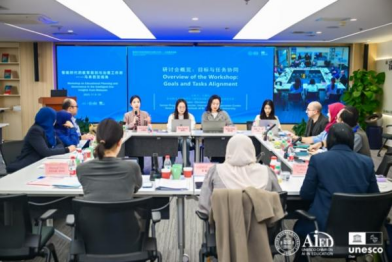
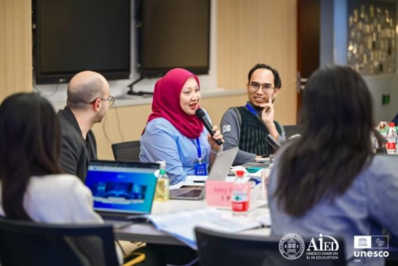
Multiple roundtable discussions were held during the workshop, including ice-breaking sessions among participants from different departments, alignment of workshop goals and tasks, and academic seminars. In a thematic discussion on “Analytical Exploration of the AIED Planning Framework and Proposal for Academic Paper,” hosted by Wang Junyi, senior programme director at SLIBNU, and Dr. Boulus, the participants, drawing on their national contexts, precisely identified several major challenges currently facing their education systems. These include insufficient AI acceptance and urban-rural infrastructure disparities, the scarcity and structural imbalance of high-quality teacher resources, prevalent student-dependent learning models, and governance difficulties arising from fragmented data systems.
In response to these challenges, the participants envisioned a future of education characterized by inclusivity, equity, and data-driven approaches. They explored pathways for AI empowerment, such as designing guided AI learning tools to cultivate students’ independent learning abilities; utilizing AI to optimize the precise matching of teacher human resources; and leveraging AI to integrate and analyze educational big data, establishing a proactive management model that shifts from “complaint-driven” to “data-driven.” The roundtable discussions not only deepened practical insights but also pointed out feasible directions for future research and international cooperation.
Site Visits to AI-Driven Education Practices
During the visit to the Digital Education Resources Center of Beijing Normal University, Associate Professor Zhao Guoqing from School of Educational Technology, Director of Digital Education Resources Center, BNU, delivered a speech titled “From Bottlenecks to Breakthroughs: Scaffolding Thinking Pedagogy with AI Agents.” He pointed out that the key to AI-empowering thinking instruction lies in upgrading its role from a “cognitive tool” to a “thinking tool.” Faced with the difficulties of implementing thinking instruction and the limited effectiveness of direct application of large models, the center’s team developed the MindMate thinking and teaching research agent and the MindGraph visualization platform. These tools assist teachers in designing higher-order thinking courses and automatically visualize the thinking process, respectively, providing a feasible path to break through the bottlenecks of thinking instruction and build a new paradigm. Guided by faculty and students, the delegation experienced the hands-on operation of the MindGraph platform, visited smart classrooms, and tried virtual simulation experiments, getting an up-close look at the intelligent teaching environment and rich digital learning resources.
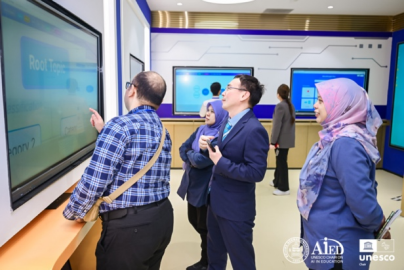
During the workshop, the delegation also visited the iFLYTEK AI Exhibition Centre, the Tsinghua Unigroup's Smart Education Equipment Centre, and Beijing No. 50 Middle School, experiencing the deep integration of AI-empowered education across multiple scenarios, from corporate R&D and equipment support to classroom practice.
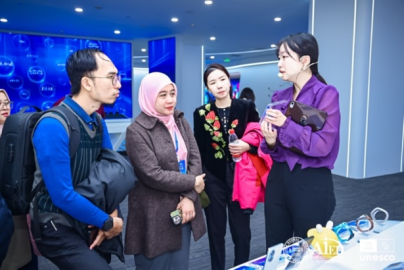
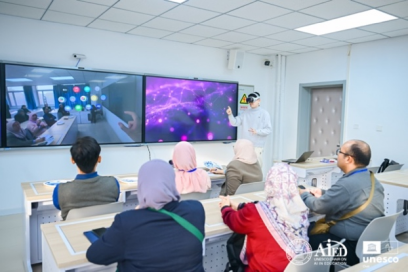
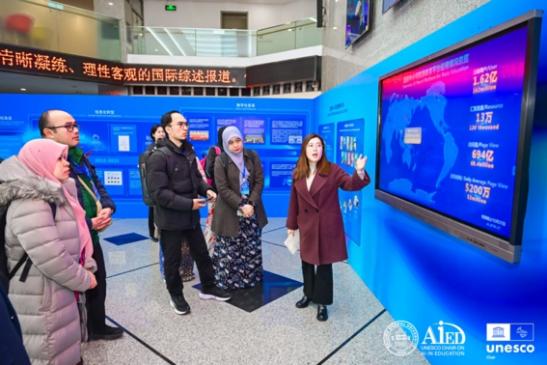
Artificial intelligence is reshaping the landscape of educational planning, management, and implementation, showing great potential in supporting data-driven decision-making, optimizing resource allocation, and enhancing institutional effectiveness. During the workshop, the Malaysian delegation visited the Educational Technology and Resources Development Center of Ministry of Education, P.R.C, experiencing firsthand the operational model of the Smart Education of China as a digital platform. The delegation expressed high admiration for the platform’s large-scale application and deep empowerment, believing it holds valuable experience that Malaysia can learn from. They noted that there is broad space for exchange and cooperation between the two countries in the construction of smart education platform. The two sides also exchanged views on topics such as teachers’ AI literacy training and students’ holistic development.
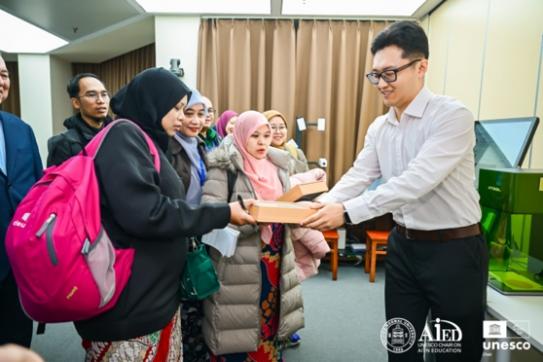
During the workshop, the Malaysian delegation also visited the History Museum of BNU, deeply experiencing the university’s profound developmental history and cultural heritage. They toured representative cultural landmarks and modern scenes such as Nanluoguxiang Historical Street and the Olympic Park, immersing themselves in the historical depth and contemporary vitality of Chinese culture.
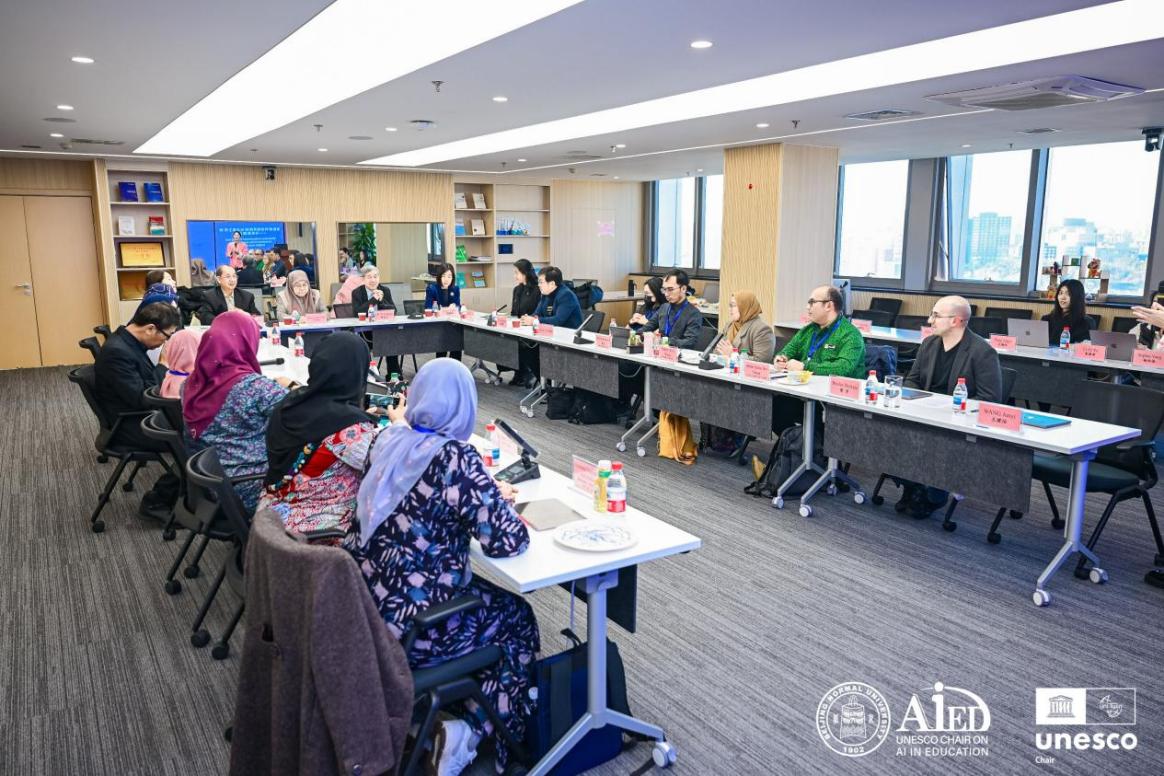
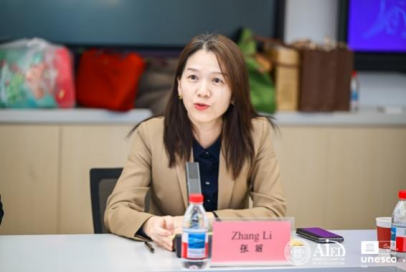
At the closing ceremony, Liu Chunrong, Deputy Director, Provost's Office and Academic Affairs, Beijing Normal University, introduced the current status of educational cooperation between BNU and Malaysia, including the current scale of international students in Malaysia and school collaborations. She emphasized BNU's advantages and cooperation potential in the fields of technology and teacher training. Zhang Li, Vice Dean, School of Continuing Education and Teacher Training, Beijing Normal University, introduced the vision and goals of Center for Faculty Development of Beijing Normal University. She stated that the institute aims to build a comprehensive international training system covering basic education, vocational education, and higher education, as well as a teacher international exchange system that develops concepts, courses, and models. She expressed her hope to work with Malaysian educators to support teachers' professional growth.

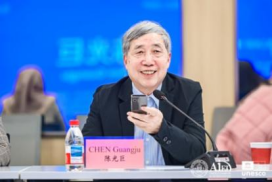
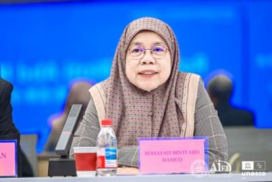
In the closing remarks, Professor Chen Guangju, former Vice President of Beijing Normal University, expressed his appreciation for the active participation and in-depth thinking of the Malaysia delegation. He believes this event marks the entry of China-Malaysia educational cooperation into a new stage of jointly planning for the future in the intelligent era. He warmly invited the Malaysian delegations to visit other BNU campuses in the future to continue this valuable exchange and cooperation. Rohayati Binti Abd Hamed, Deputy Director-General of Education, Director of Teacher Professionalism Division of Ministry of Education, Malaysia, stressed in her closing remarks that MoE of Malaysia is committed to translating the insights from this workshop into concrete actions for the national digital transformation of education.
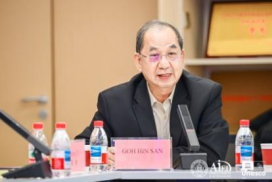
China and Malaysia are friendly neighbors across the sea. Chinese President Xi Jinping’s visit to Malaysia in April 2025 officially ushered in a new “Golden 50 Years” for bilateral relations. President Xi particularly emphasized: “In the next 50 years, the two countries must continue to seize the historical initiative, stand at the forefront of the times, and build a high-level, strategic China-Malaysia community with a shared future.” In his summary at the closing ceremony, Dato’ Goh Hin San, Chairman of Malaysia Han Culture Center, noted that 2025 is the inaugural year of the new “Golden 50 Years” of China-Malaysia relations. This workshop is the first high-level academic exchange project to write a new chapter of China-Malaysia cooperation, laying a solid foundation for the digital transformation of education and cultural exchange between the two countries, and holding groundbreaking and historical significance.
This Workshop on Educational Planning and Governance in the Intelligent Era was not only a profound exchange of knowledge and technology but also a consolidation of friendship and consensus between China and Malaysia. It successfully bridged macro-level strategic relations with micro-level practical challenges in education, marking a consensus between the two nations to advance educational reform in the intelligent era, as well as their firm commitment to building a smarter, more equitable, and sustainable smart education system.
Copyright © 2025 All Rights Reserved by WDEA